
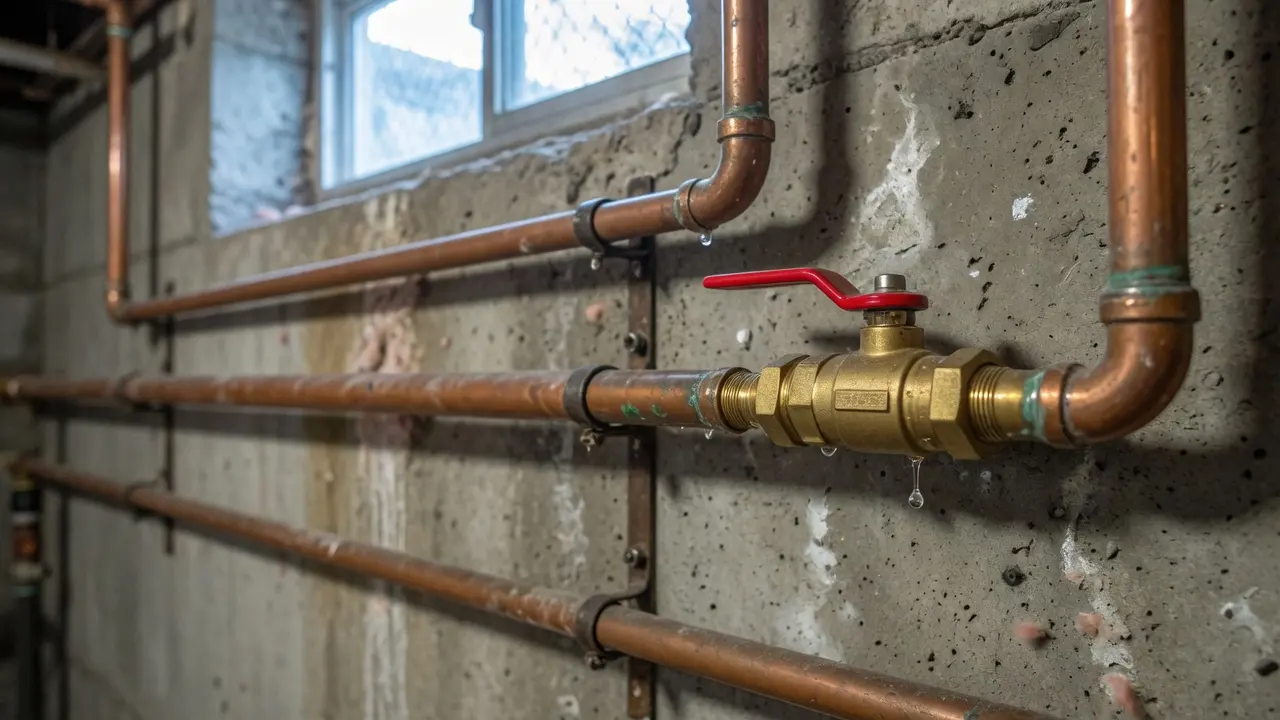
Temporary solutions such as plumber’s tape, epoxy putty, pipe clamps, and rubber connectors can help control leaks, but they are not substitutes for permanent professional repairs. Understanding the causes of pipe leaks and knowing when to call a professional plumber can help prevent costly repairs, structural damage, and long-term plumbing problems.
A plumbing pipe leak escalates quickly from a minor annoyance to a devastating home disaster. Over our years managing home service operations, we have seen exactly what happens when a homeowner ignores a seemingly harmless drip. That slow drip can turn into a catastrophic joint failure, resulting in a collapsed ceiling, ruined floors, and a massive mold remediation bill.
If you are reading this right now, there is a very good chance you have a puddle forming on your floor and you need answers immediately. If you want to learn how to repair a leaking pipe, the key is acting quickly, calmly, and methodically. You have to stop the bleeding before the water damage spreads to the wooden framing and drywall of your home.
This guide covers the exact emergency triage steps we walk our clients through over the phone during late-night weekend panics. We will break down how to stop the water right now, why the material failure happened in the first place, and the DIY methods you can safely use to buy yourself a few critical days before the professionals arrive.
Immediate Action: How to Stop a Leaking Pipe Fast
To temporarily fix a leaking pipe, immediately shut off your home's main water supply. Open the lowest faucet to drain remaining water and relieve pressure. Once the pipe is completely dry, apply plumber's tape to threaded joints or use epoxy putty for small pinhole cracks.
Locate the Shut-Off Valve
Your very first mission is to kill the water supply. If the leak is completely isolated under a vanity, look for the small, silver or plastic knob on the wall just behind the fixture. Twist this isolation valve clockwise to the right until it stops. However, if you have a major pipe burst in the ceiling or inside a wall, you need to shut off the house's main water supply immediately. This primary valve is usually located in the basement near the water heater, inside a crawlspace, or out by the street at the utility water meter box.
Drain the Remaining Water
Turning off the valve stops new water from entering the system, but your pipes are still completely full of resting water holding line pressure. To resolve this, walk to the lowest point in your house, usually a basement utility sink or a first-floor bathtub. Open both the hot and cold handles all the way. Next, walk up to the highest floor and open a faucet there. This breaks the vacuum seal in the lines and allows the remaining water in the overhead pipes to drain out safely.
Clean and Dry the Affected Area
Grab a thick cotton towel and dry the pipe completely. Patching a wet pipe never works. It is the single most common mistake we see DIYers make. Adhesives, putties, and tapes simply cannot bond to moisture. If you try to apply a fix to a wet surface, the water pressure will effortlessly blow it right off the moment you turn the main valve back on. You must get the metal or PVC bone-dry.
Common Causes of Leaking Water Pipes
Pinpointing the exact cause helps you determine your long-term repair strategy. If you simply patch the pipe without fixing the root cause, you will be dealing with a brand new leak right next to the old one in a matter of weeks.
High Water Pressure
We regularly remind homeowners, "Water pressure over 80 PSI acts like a silent killer for residential plumbing." Residential systems are structurally designed to operate safely between 40 and 60 PSI. When your pressure reducing valve fails, municipal water blasts into your home at 90 or 100 PSI. This immense pressure acts like a battering ram, forcing your pipe joints apart over time.
Corrosion and Aging Pipes
Over time, chemical reactions between the minerals in your water supply and the metal eat away at the pipe walls. With copper pipes, this often presents as "pitting," which causes microscopic pinhole leaks that are incredibly difficult to spot. Usually, you will see a crusty green or white oxidation buildup on the outside of the pipe right where the pinhole is forming.
Damaged Pipe Joints
Look at your plumbing system as a skeleton. The joints where straight pipes connect to elbows, tees, and valves are the cartilage. They bear the system's physical stress and are almost always the first components to fail. Whether the installer used too much solder, or the foundation of your house naturally settled, joint failures are the most frequent cause of behind-wall flooding.
Temperature Fluctuations (Freezing and Thawing)
If you live in a region with cold winters, ice is your absolute worst enemy. Freezing water expands with incredible force, easily splitting rigid copper and flexible PEX tubing. The catastrophic leak actually occurs when the ice thaws and the pressurized water flows again. To prevent this, always take the time to winterize your plumbing early in the fall.
How to Fix a Leaking Pipe (Temporary DIY Solutions)
Most DIY plumbing methods are strictly temporary band-aids. You are buying yourself safety so you don't have to pay a professional double-time for an emergency visit.
| Repair Method | Best Used For | Pros | Cons |
|---|---|---|---|
| Plumber’s Tape | Threaded pipe joints | Very cheap and simple to apply | Only works on threaded fittings |
| Epoxy Putty | Small cracks or pinholes | Molds easily to any pipe shape | Requires a completely bone-dry surface |
| Pipe Clamp | Larger leaks or pipe bursts | Very secure, acts as a tourniquet | Requires purchasing the exact pipe size |
Using Plumber’s Tape (Teflon Tape) for Threaded Joints
Plumber's tape is strictly engineered for threaded connections. Do not try to wrap it around a horizontal crack in the middle of a smooth pipe. Ensure the water is shut off and lines are drained. Unscrew the leaking joint using an adjustable wrench. Wipe the metal threads completely clean. Now, wrap the tape tightly around the threads three to four times in the opposite direction of how you tighten the fitting. Tighten the joint securely.
Applying Epoxy Putty for Small Cracks
Epoxy putty is an absolute lifesaver for pinhole cracks, but only if you follow the instructions meticulously. Once the pipe is thoroughly dry, scuff the metal lightly with sandpaper. Knead the putty aggressively in your bare fingers for three minutes until it turns into one uniform gray color. Press it firmly over the pinhole, wrapping it slightly around the sides of the pipe to create a mechanical grip. Let it cure for a full hour before turning the water on.
Installing a Pipe Clamp for Larger Leaks
A pipe clamp acts exactly like a medical tourniquet for your plumbing lines. Place the rubber gasket directly over the split in the pipe. Slide the metal clamp over the rubber, insert the bolts, and tighten them down evenly with your wrench. Alternate tightening the bolts so the clamp tightens symmetrically. It needs to be incredibly tight to hold back standard residential water pressure.
Using Rubber Pipe Connectors
Ideal for bridging a slightly damaged section, especially on PVC drain lines where pressure is lower, these thick rubber connectors slide right over the cut pipe. You simply tighten the metal hose clamps on either side with a screwdriver, creating a tight, waterproof seal that holds up until a professional arrives.
Why Trust Sharpline Inc. for Your Home Service Needs
We know that dealing with unexpected water damage is incredibly stressful. At Sharpline Inc., our entire mission is built around protecting homes from devastating water damage with precision and reliability.
Years of Residential Property Expertise
With years of hands-on experience serving our local community, our highly trained technicians handle complex residential emergencies every single day. We understand the local building codes and the architectural nuances of homes in our area.
Our Customer-First Approach
We believe in transparent, upfront pricing, arriving exactly when we say we will, and meticulously cleaning up our workspace. We deliver permanent, code-compliant solutions to keep your family safe, your property dry, and your mind completely at ease.
When to Call a Professional Plumber
Knowing when to step back and call the professionals can save you thousands of dollars in botched repairs.
The Leak is Behind a Wall or Underground
If you notice a wet spot expanding on your ceiling, professionals use non-invasive acoustic leak detection tools to pinpoint the exact location. We can often open a tiny, easy-to-patch hole to fix the issue instead of tearing down your entire living room wall.
Main Water Line Damage
If the leak is located on the main supply line coming into your house from the street, stop what you are doing. Main lines require municipal permits, heavy excavation equipment, and specialized city inspections.
Repeated Leaks in the Same Area
If you fix a drip on a copper pipe, and three weeks later a brand new drip starts further down the line, you have a systemic issue. This usually points to severely failing regulators or extensive internal pipe corrosion.
Risk of Extensive Water Damage
A major pipe burst can dump hundreds of gallons an hour directly into your living space. If flooding has already occurred, you must secure emergency plumbing services immediately. Following that, you need to immediately call for water damage restoration to professionally extract the moisture before toxic black mold starts growing.
Frequently Asked Questions
Can you fix a leaking pipe without replacing it?
Yes, you can temporarily seal a leaking pipe with epoxy putty or rubber pipe clamps. However, a permanent fix almost always requires cutting out the damaged section and installing a new piece of pipe.
How much does it cost to fix a leaking pipe?
If the pipe is exposed in an unfinished basement, repairs average between $150 and $350. Hidden leaks behind tiled shower walls or underground cost significantly more due to the labor required for access.
Can plumber's tape stop a pipe leak?
Plumber's tape is excellent for sealing threaded joints. However, it should never be used to wrap the smooth outside of a cracked pipe, as water pressure will push right past it.
How do you fix a leaking pipe joint?
Attempt to gently tighten the joint with a wrench. If it still leaks, shut off the water, completely disassemble the joint, clean the threads, apply three wraps of fresh plumber's tape, and firmly reconnect it.
When should you call a plumber for a pipe leak?
Call a professional immediately if the leak involves the main water supply, is located behind a wall, causes active flooding, or if your temporary DIY methods fail to stop the dripping.
Will flex tape permanently fix a leaking pipe?
No. Adhesive tapes are strictly temporary emergency measures. They are not permanent plumbing fixes and will quickly degrade when exposed to residential water pressure.
What is the best temporary fix for a PVC pipe?
For PVC pipes, epoxy putty or a thick rubber repair coupling works best. Metal clamps can sometimes crack the plastic pipe further if over-tightened.
How do I know if the pipe leak is behind drywall?
Identify hidden leaks by looking for peeling paint, unexplained damp spots, sagging ceilings, persistent musty mold odors, or sudden spikes in your water bill.
Can high water pressure cause pipes to burst?
Yes, sustained water pressure above 80 PSI puts immense, constant stress on pipe joints and appliance hoses until they separate or burst.
Should I drain the water heater if a pipe leaks?
You only need to drain your water heater if the active leak is located directly on the heater's supply lines or tank. Otherwise, shutting off the main water valve is sufficient.
Conclusion
Handling an active plumbing leak is an incredibly stressful experience, but acting fast puts you back in control. Shut off the main water valve immediately, drain the line pressure, and guarantee the pipe is completely bone-dry before you apply tape, putty, or metal clamps. These temporary fixes buy you the critical time you need to assess the damage and calmly call in the professionals for a permanent fix. Need a permanent fix right now? Contact our dispatch line today and we will get an expert out to your property to secure your plumbing system.