
Home services in Portsmouth
One number for plumbing, electrical, heating & cooling, roofing, handyman work and more in Portsmouth.
Part of our Hampton Roads service area · median home here was built around 1967
What breaks in Portsmouth
The age of the housing decides the work.
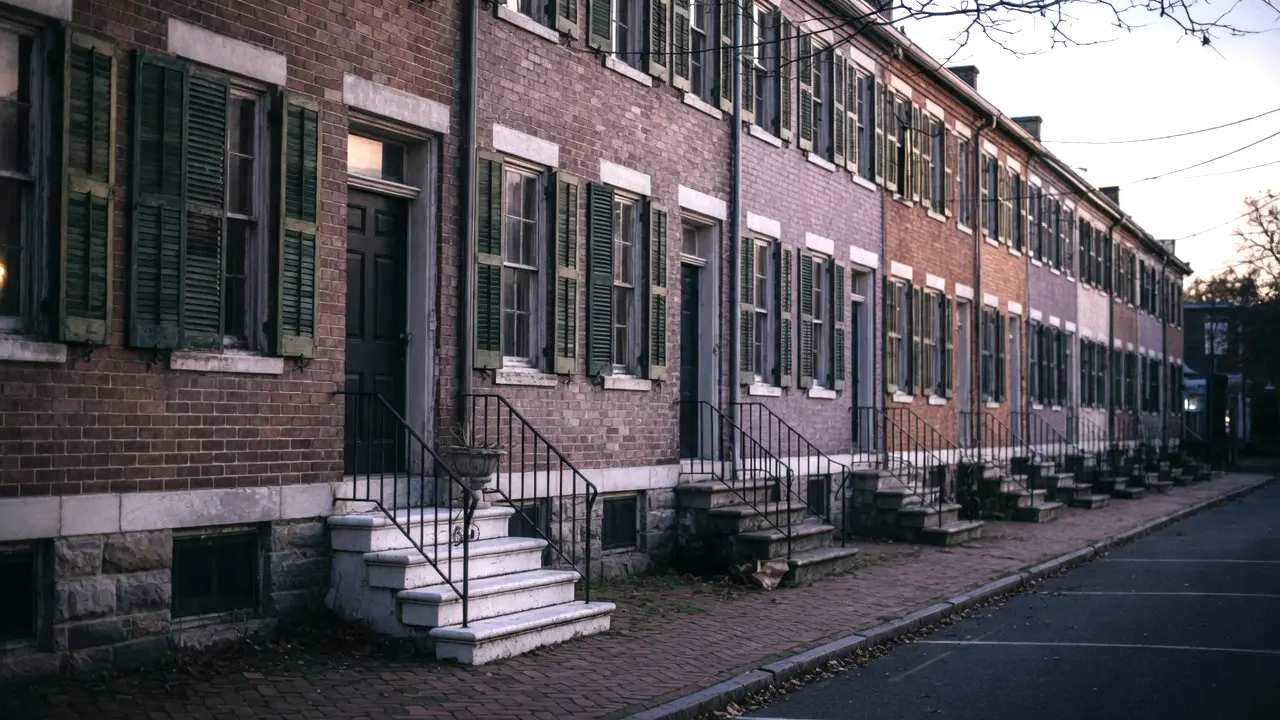
Portsmouth has some of the oldest housing in Hampton Roads, with a median build year near 1967 and historic districts that go back much further. Olde Towne in particular has homes where the right repair is the careful one, not the fastest one.
Old houses reward diagnosis
In a house of this age the visible problem is often not the actual problem. A stain, a sticking door or a soft spot in the floor usually has a cause somewhere else, and guessing is expensive. Working out which trade it is before quoting is the whole point of calling one company.
Original systems, still running
Plumbing here carries the highest advertiser competition in the region, which is a fair signal of how much of it needs attention. Original supply lines, old drains and long-serving water heaters are the common thread.
Historic work needs a light hand
Windows, trim and exterior detail in the older districts are often worth repairing rather than replacing, and the wrong material choice is hard to undo.
The shipyard, and the oldest streets in the region
Norfolk Naval Shipyard is actually in Portsmouth, and so are some of the oldest streets in Hampton Roads. Olde Towne and Park View have houses that predate almost everything else we work on. In those, the right answer is usually repair rather than replacement, and the wrong material choice is expensive to undo.
What we run in Portsmouth
What homeowners here search for most
Plumbing
Cradock and Truxtun date from 1918 and Olde Towne is older still, so a lot of Portsmouth plumbing sits under houses far older than the 1967 median, where two or three eras of pipe have been spliced into one supply run and the failure is almost always at the joint where they meet.
See plumbing →Heating & Cooling
Cooling here is retrofitted rather than designed in, because the shipyard-era cottages in Cradock and Truxtun were built with no duct chases, and in the historic districts where the outdoor unit is allowed to sit is a question for the city as much as for us.
See heating & cooling →Handyman
A door, a porch rail or a set of shutters is routine work anywhere else, but in Cradock, Olde Towne, Park View, Port Norfolk and Truxtun it is an exterior change the city reviews before it happens, and the openings in those houses are rarely a standard size, so the part usually has to be worked to fit.
See handyman →Electrical
Port Norfolk, Waterview and parts of Park View and Olde Towne sit in mapped high-risk flood zones, which turns the height of a panel, a meter base or an outdoor disconnect into a real decision in Portsmouth, because anything that goes under salt water gets replaced rather than dried out.
See electrical →We cover the other trades in Portsmouth too — all ten services. Not sure which one it is? Describe the symptom and we will work out the cause.
On the ground in Portsmouth
Five Portsmouth neighborhoods are locally designated historic districts: Cradock, Olde Towne, Park View, Port Norfolk and Truxtun. Living in one changes the order of a job more than it changes the job. Approval for exterior work comes first, the permit follows it, and the material you planned on may not be the one that gets approved. A start date quoted without anyone asking which district you are in has skipped the part that takes longest.
Cradock and Truxtun date from 1918, built as federal housing for Norfolk Naval Shipyard workers, with roughly 750 homes in Cradock alone. They are past a century old, on small footprints, and nothing about them anticipated central air, a modern service panel or a second bathroom. Everything since has been added into a house that was not expecting it.
Then there is water. Port Norfolk, Waterview and parts of Park View and Olde Towne sit in mapped flood zones, so one house can be under preservation rules and floodplain rules at the same time. Which of them apply has to be settled before anyone prices the work.
Portsmouth questions
Straight answers for Portsmouth.
Do I need approval before changing the outside of my house in Olde Towne or Cradock?
In most cases yes. Portsmouth has five locally designated historic districts, Cradock, Olde Towne, Park View, Port Norfolk and Truxtun, and the city's Historic Preservation Commission reviews exterior changes in all of them through a certificate of appropriateness. The order matters more than people expect: the certificate has to be approved before the building permit application can be filed. Some smaller items can be approved administratively without a full hearing, so ask the city early rather than after the materials are ordered.
Does Portsmouth require a licensed plumber behind the permit for a water heater?
Yes. A water heater swap is plumbing permit work in Portsmouth, and the city requires a DPOR-licensed plumber behind that permit. Permits are handled by the Department of Permits and Inspections at City Hall, and the city's online permitting system lets you look up permits and inspection history on your address. Before anything is disconnected, ask whoever is doing the work who is pulling the permit, and get the answer in writing.
My house is in an AE flood zone. Does that change what I can have repaired?
It can, once the work gets big enough. Portsmouth maps property into AE, VE and two X zones, and when the cost of a repair or improvement is high enough against the value of the building, the city's floodplain rules start applying to the whole structure rather than just the part you are fixing. In Olde Towne that runs straight into the preservation standards, since raising a historic building is exactly what those standards resist. Permits and Inspections is who confirms your zone.
Who is responsible for a water leak between the street and my house?
The city is, up to the meter. Portsmouth runs its own water system, drawing from reservoirs on the Nansemond that also supply parts of Chesapeake and Suffolk, so the meter and everything on the street side of it belong to the city's Department of Public Utilities. From the meter into the house is yours. That split is what makes a bill that jumps for no obvious reason worth reading carefully, because the meter shows which side of the line the water is leaving on.
Can I replace the windows on a house in a Portsmouth historic district?
Sometimes, but the certificate of appropriateness comes first and the review is not a formality. Portsmouth's commission works to the Secretary of the Interior's standards for rehabilitation, which favor repairing original material over replacing it, so an original sash in sound condition is a much harder case to make than a rotted one. There is a second and separate rule underneath that: parts of coastal Virginia sit inside a wind-borne debris zone, and the permit office is who confirms whether your address is in it.
How do you add air conditioning to a Cradock or Truxtun house with no ductwork?
Usually with a ductless system, because there is nowhere sensible to run trunk lines. Cradock and Truxtun were built from 1918 as federal housing for Norfolk Naval Shipyard workers, cottage-style homes on small footprints with no duct chases designed in, so a conventional system costs you closet or ceiling space you probably cannot spare. Then there is the outside. In a historic district the condenser location counts as an exterior change, so settle where it goes with the city before the equipment is ordered.
Nearby