
Home services in Suffolk
One number for plumbing, electrical, heating & cooling, roofing, handyman work and more in Suffolk.
Part of our Hampton Roads service area · median home here was built around 1994
What breaks in Suffolk
The age of the housing decides the work.
Suffolk is the newest and by far the largest city in Hampton Roads by land area, with a median build year around 1994. Much of it is genuinely rural, and that is the difference that matters: outside the built-up areas, homes are on well water and septic rather than city utilities.
Wells, pumps and pressure tanks
If your water comes from a well, a pressure problem is a different diagnosis entirely. Pumps, pressure tanks and the switch that runs them all fail in their own ways, and none of them behave like a city-water pressure fault.
Long driveways, long runs
Rural properties mean outbuildings, detached garages, well houses and exterior circuits running a long way from the panel. Voltage drop and weather exposure cause faults you simply do not get on a compact suburban lot.
Newer stock, first real service life
Mid-90s houses are now at the age where the original HVAC, water heater and roof are all reaching the end of a first full life at roughly the same time.
The biggest city in Virginia, and the least built-up
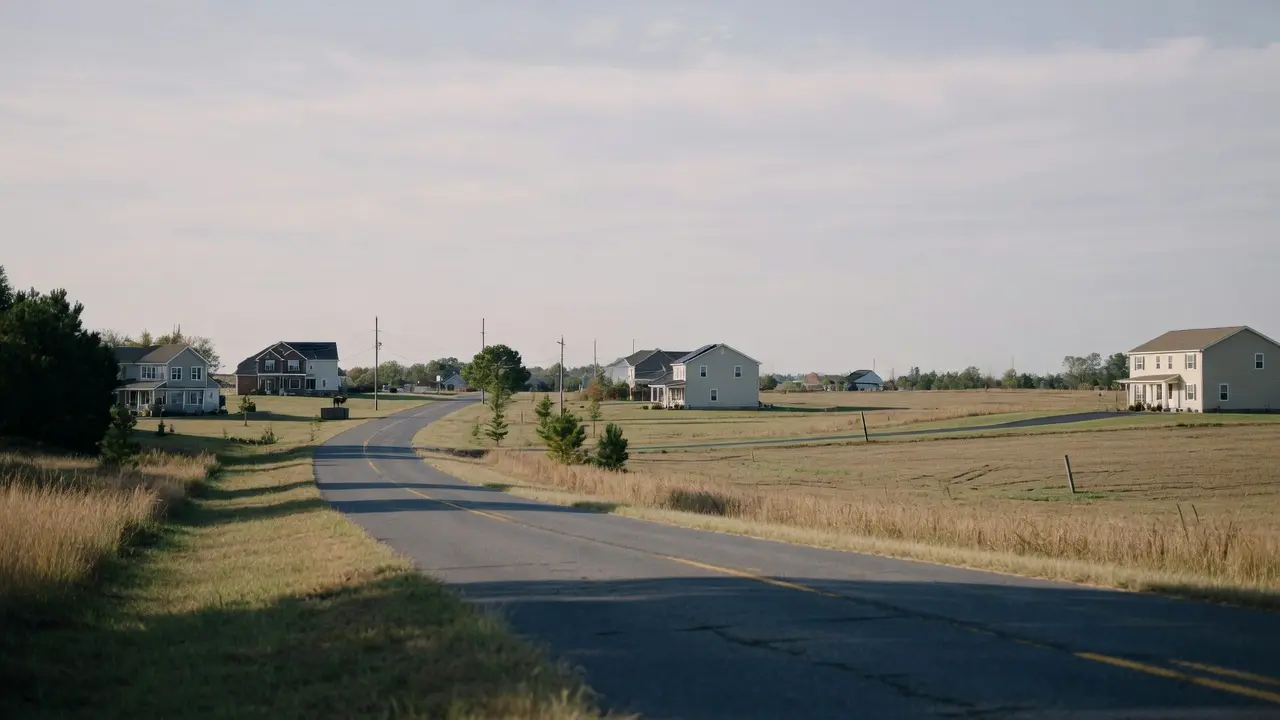
Suffolk covers more ground than any other city in the state, and most of that ground is farmland. No base, no shipyard, no salt air to speak of. What you get instead is genuine rural infrastructure: private wells, septic systems, long power runs and properties where the nearest neighbor is not close enough to notice a problem before you do.
What we run in Suffolk
What homeowners here search for most
Plumbing
Most plumbing calls out here start at the well or the septic tank rather than at a fixture, because coastal plain well water comes up carrying iron, manganese and sometimes sulfur that stains fixtures and shortens the life of a water heater, and a house draining to its own field backs up for reasons a house on city sewer never does.
See plumbing →Heating & Cooling
Plenty of Suffolk addresses have no gas main on the road, so heating is either a heat pump with electric backup or propane from a tank on the property, and on a long single-story house set well back from the road the duct run is doing as much of the work as the equipment is.
See heating & cooling →Electrical
A mid-90s Suffolk panel was sized for a house with a well pump on it before anything else got plugged in, and everything added since, a second air conditioner, a car charger, a hot tub, a generator interlock, has to fit into whatever capacity is left.
See electrical →Handyman
Out here the garage door is the door the household actually uses, and after thirty years the rest of the builder-grade finish work, decks, storm doors, fascia and gutters, needs a list worked through rather than a separate contractor called for each item.
See handyman →We cover the other trades in Suffolk too — all ten services. Not sure which one it is? Describe the symptom and we will work out the cause.
On the ground in Suffolk
The 1994 median hides how split this city is. Downtown Suffolk has streets of pre-war houses with plaster walls and additions from every decade since. North Suffolk, out toward Harbour View and Driver, is mostly subdivisions built after 2000. In between is farmland with houses that went up one at a time over fifty years. Three different repair lists inside one city limit, and the address decides which one you get.
Utilities split the same way. Properties on the edge of the developed area can be on city water with a private septic system, or on a well with a sewer connection. Knowing which combination you have decides who you call and who permits the work, and plenty of owners are not sure until something fails.
Suffolk also sits higher and farther from open water than the rest of the region, so storm surge is rarely what hurts here. Wind and trees are. Large lots mean mature pines close to the house, and every tropical system puts limbs on roofs, gutters and service drops. The city took a tornado in 2008.
Suffolk questions
Straight answers for Suffolk.
Why does my well water smell like rotten eggs or stain the sinks orange?
That is almost always iron, manganese or sulfur coming out of the aquifer, not a fault in your plumbing. Coastal plain wells around Suffolk are known for it. Iron and manganese leave orange or black staining on fixtures and laundry, and sulfur bacteria produce the rotten egg smell, usually worse on the hot side. The answer is treatment where the water enters the house, sized off a water test, not a fixture swap.
Who permits well and septic work in Suffolk, the city or the state?
Usually yes, but not from the city. Well and septic permits in Virginia go through the Virginia Department of Health rather than the building office, so drilling a new well or repairing a drainfield is a health department matter. Anything inside the house, including the electrical circuit feeding the pump, is permitted by the City of Suffolk and pulled by whoever does the work. Replacing a failed pump in an existing well normally sits outside the health department process.
The power is out and now I have no water at all. Is something broken?
No, that is normal on a private well. The pump is electric, so when the power goes the water goes with it and you have only what is left in the pressure tank. City water keeps running through an outage and well water does not, which is why so many Suffolk properties end up wanting standby power. The part worth getting right is the transfer switch or interlock at the panel, so the pump can run without backfeeding the line.
Is my house in a flood zone in Suffolk?
Probably not, and that makes Suffolk unusual for this region. Most of the city sits on higher ground and farther from open water than Norfolk or Hampton, so a large share of it falls outside the high-risk mapped zones. The exceptions follow the water: the Nansemond River, Bennett's Creek, Chuckatuck Creek and the low ground toward the Dismal Swamp. You can check your own address on the FEMA flood map service center.
My drains are slow all over the house. Is that a clog or the septic tank?
If every fixture is slow at once and the toilets gurgle, suspect the tank or the drainfield before the pipes. One slow sink is a clog. A whole house slowing down points at the system everything drains into. Tanks need pumping on a schedule, and a drainfield that has stopped accepting water will not be fixed by anything poured down a drain. Chemical drain cleaners also kill the bacteria the tank depends on, which makes it worse.
There is no gas line on my road. What are my heating options?
Two, realistically: an electric heat pump with electric backup, or propane from a tank on the property. Most Suffolk homes outside the developed core end up on a heat pump, because extending a gas main is a utility decision and not a homeowner one. Propane costs more per unit of heat but delivers hotter air, and it works well as the second stage in a dual fuel setup where the heat pump carries most of the winter and the furnace takes the coldest mornings.
Nearby