
Plumbing, Electrical & HVAC in Port Deposit, MD
One number for plumbing, electrical, heating & cooling, roofing, handyman work and more in Port Deposit.
Part of our Elkton service area · median home here was built around the 1970s
What breaks in Port Deposit
The age of the housing decides the work.
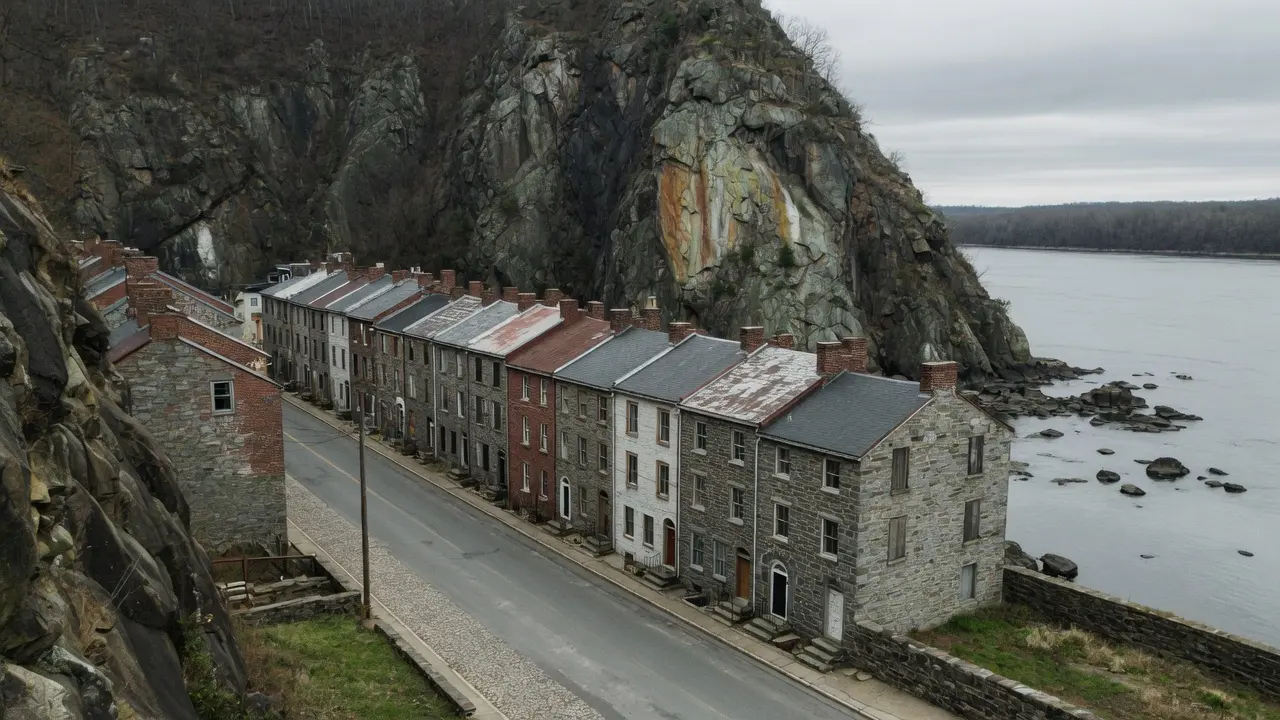
Port Deposit is a narrow run of houses between the Susquehanna River and granite cliffs, and the river writes most of the rules. About 42 percent of the town's housing went up before 1940. The National Register nomination for the historic district describes granite used in some way in almost every building, and most buildings set on a high basement for flood protection. The town's floodplain rules now decide where new equipment in that basement can go.
Main Street sits in the AE flood zone
Most of North and South Main Street lies in FEMA's AE zone, where base flood elevations have been set, on flood map panels for the town that took effect May 4, 2015. Port Deposit's flood protection elevation is that base elevation plus 2 feet of freeboard. Up the hill the picture changes: the comprehensive plan names Granite Avenue and Race Street as not in a flood zone. So the first question on a Port Deposit job is the street, and the second is whether the town will ask for an elevation certificate.
The panel has to clear the flood line by three feet
The zoning ordinance puts a number on electrical placement. On new work and on a substantial improvement in a flood hazard area, the electric panelboard has to sit at least 3 feet above base flood elevation. Electrical, HVAC and plumbing equipment and ductwork have to be at or above the required lowest-floor elevation, or be built to keep floodwater out, and equipment replaced as part of that improvement falls under the same rule. In a stone basement below the flood line, that settles where new equipment goes before anyone prices it.
The 50 percent line
Whether those rules reach a house depends on a ratio. Work costing 50 percent or more of the building's market value before construction counts as a substantial improvement, and the ordinance takes that value from an appraisal or from the state's phased-in assessment of the building. A building that was substantially damaged is treated the same way. Cross that line and the building is brought into floodplain compliance, not only the part being worked on. One exclusion matters in this town: an alteration of a historic structure does not count, provided the building can keep its historic designation.
Where the river gets in
River water reaches the low streets by known routes. The comprehensive plan says most of it comes in through two openings in the Norfolk Southern railroad embankment, at Vannort Drive and Netters Alley, and more arrives through the stormwater system. The plan also says river gages let the town predict that flooding days ahead, and that the number of gates open at Conowingo Dam corresponds to a specific flooding condition in town. That lead time is the argument for putting basement mechanicals, and the circuits that feed them, where they can be shut down cleanly and left alone.
What we run in Port Deposit
What homeowners here search for most
Electrical
Port Deposit's floodplain rules name the electric panel directly, so on flood-zone work the panel's height is settled before anything else. The town's 2023 comprehensive plan also names HVAC and electrical systems among the housing costs that have been underinvested for many years, so moving a service is the point to look at the old branch wiring behind it.
See electrical →Heating & Cooling
Almost no house in Port Deposit is on piped gas. Most heat with electricity, and fuel oil and tank gas cover much of the rest, so a replacement here is a heat pump, electric or oil decision rather than a gas one. In the AE zone the new equipment and its ductwork also have to sit at or above the required elevation, or be protected against floodwater.
See heating & cooling →Plumbing
The Town of Port Deposit no longer provides water or sewer. Artesian supplies water drawn from the Susquehanna River, and the Cecil County Department of Public Works runs the sewer, so a problem at the main belongs to one of them and a problem on the house side is plumbing work.
See plumbing →We cover the other trades in Port Deposit too — all ten services. Not sure which one it is? Describe the symptom and we will work out the cause.
On the ground in Port Deposit
The town's Flood Information page calls flooding one of the most common emergency risks in Port Deposit and lists the Conowingo Dam spill hotline. Use the warning the river gives. If water may reach a panel, a water heater or an air handler, shut off the power to it from a dry location before the water gets there, and do not switch back on anything that has been underwater until it has been checked.
When a property here changes hands, the town requires a Change of Property Ownership form before the deed is stamped for recording. The town uses that form to decide whether Cecil County needs to issue a certificate of occupancy or a change of use, and it applies when a property is going to be leased as well as when its use changes. Census estimates count 138 of the town's 272 occupied homes as rented.
Port Deposit questions
Straight answers for Port Deposit.
My Main Street house needs a new electric panel. Does it have to be raised?
It has to sit at least 3 feet above base flood elevation if the work is new construction or part of a substantial improvement. Port Deposit's zoning ordinance defines a substantial improvement as work costing 50 percent or more of the building's pre-construction market value, and equipment replaced as part of one follows the same rule. So the answer turns on the size of the whole project, not the panel alone. Get the base flood elevation for the lot, and ask Town Hall whether an elevation certificate will be needed, before choosing where the new panel goes.
Why does Port Deposit want a zoning certificate for work inside my house?
The town requires one before exterior or interior repairs, restoration or demolition start on any structure in town, and the application's interior section has lines for electric, plumbing, HVAC and waterproofing work. The fee is $35, the application is mailed or dropped off at Town Hall, and there is no online payment. The town checks the plans against its zoning, floodplain and Critical Area rules. Whether Cecil County also needs to issue a permit is a separate question the application leaves to the applicant to confirm with the county.
Can my sump pump drain into the sewer line?
No. Port Deposit's town code makes it unlawful to discharge rain water into the town's sanitary sewage system, a rule still printed even though the town no longer runs the sewer. Cecil County, which does run it, bars stormwater, groundwater, roof runoff and subsurface drainage from any sanitary sewer in its own code. Plan on the sump discharging outside the house, onto ground that carries the water away from the foundation.
Does an old house on Main Street get out of the flood rules?
It can, for the alteration that keeps it historic. Port Deposit's floodplain definitions exclude an alteration of a historic structure from counting as a substantial improvement, as long as the alteration will not stop the building from keeping its historic designation. The town's zoning application notes that most structures in town contribute to the historic district. The floodplain administrator may ask for documentation that the building is still eligible and designated, so confirm with Town Hall how your project will be counted before it is scoped.
Nearby