
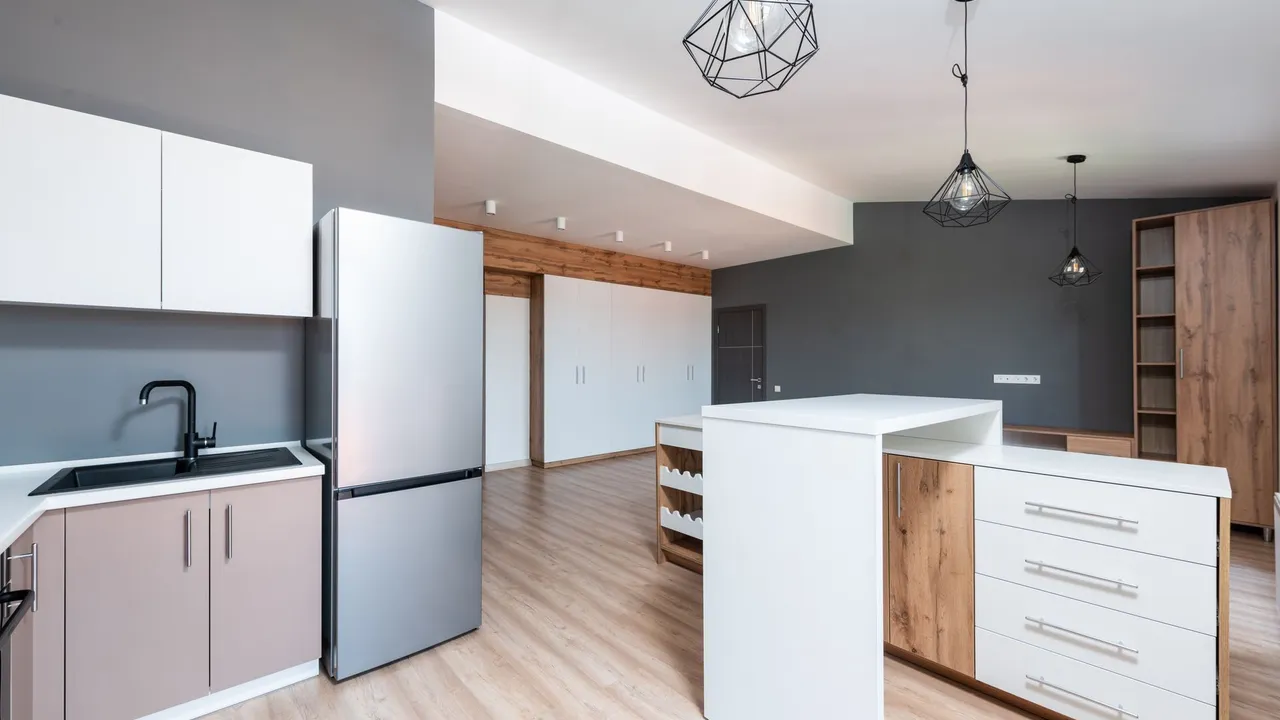
Summary: Apartment renovation costs typically range from $15 to $45 per square foot, depending on the apartment’s size, material quality, labor expenses, structural changes, and the extent of kitchen, bathroom, plumbing, and electrical upgrades. To avoid unexpected expenses, homeowners should obtain detailed quotes from at least three contractors, secure necessary building approvals, prioritize essential repairs, and set aside an additional 15% to 20% of the budget for unforeseen costs. Careful planning, cost-effective material selection, and phased renovations can help property owners control spending, maintain quality, and maximize their apartment’s long-term value.
Anyone who has ever picked up a sledgehammer or signed a contractor agreement knows that gut feeling right before work starts. Renovating an apartment sounds thrilling when you are browsing tile samples and kitchen layouts. Then the contractor hands over the quote, and reality hits hard, especially when a typical full apartment overhaul ranges between $15 and $45 per square foot.
A lot of property owners find themselves trapped in a classic dilemma regarding their apartment renovation cost: money bleeds out on things nobody warned them about, and the savings dry up before the main bathroom even gets tiled.
Why do two apartments of the exact same square footage end up with bills that differ by thousands of dollars? The truth is rarely about the square footage itself. It is about what is hiding inside your walls, the condition of the floor beneath your feet, and the administrative headaches lurking in your building association office.
Here is the straightforward breakdown of what things actually cost, where owners lose money, and how to keep your budget on track from day one.
How Much Does an Apartment Renovation Cost Overall?
Before getting lost in paint swatches, you need a realistic floor and ceiling for total spend.
Quick Cost Summary: Across most metro markets, a full overhaul runs between $15 and $45 per square foot. Where you land on that scale depends on the scope of demolition and the tier of finishes you pick.
Average Cost Ranges for Small, Medium, and Large Apartments
Smaller apartments can be deceptively pricey per square foot. A studio apartment still needs a kitchen setup and a full bathroom. Those two spaces are where all the high-dollar materials and trades live. When you move to a three-bedroom unit, that heavy expenditure gets diluted across bedrooms, hallways, and larger living rooms, bringing the average square-foot rate down slightly even though the lump sum is far larger.
Apartment Renovation Cost Per Square Foot Breakdown
For clean-up work (new coats of paint, changing out door handles, updating laminate surfaces) plan on $10 to $15 per square foot.
Mid-range overhauls cost around $20 to $30 per square foot. That budget allows for reliable cabinetry, quality tile, updated wiring, and modern plumbing fixtures.
If you are knocking down non-load-bearing walls, installing imported stone, re-plumbing with premium in-wall systems, and opting for custom built-ins, the apartment renovation cost per square foot will climb well past $45.
Full Apartment Renovation vs. Cosmetic Upgrades: Financial Comparison
Cosmetic upgrades are great when a tenant just moved out and you need the unit back on the rental market next month. You skip the dust and leave the underlying pipes alone.
A gut remodel, by contrast, strips everything down to the studs and subfloor. It is noisy, expensive, and takes months. But if the building still has old, weeping galvanized pipes, putting expensive tiles over them is just throwing good money away.
Room-by-Room Apartment Renovation Cost Breakdown
Every room draws from a different pool of trades and supplies. Here is where the money goes when you break it down space by space.
Kitchen Remodeling Expenses (Cabinets, Countertops, Appliances)
Kitchens soak up cash faster than any other spot in the house. You are paying for heavy cabinetry, stone cutting, plumbing, electrical circuits, and kitchen appliances all in one compact footprint.
- Cabinetry: Moisture-resistant cabinet boxes with premium finishes cost significantly more than standard builder-grade cabinets.
- Countertops: Quartz and granite both make durable counters, though neither is heatproof, so keep trivets under hot pans. Good quartz slab work requires skilled fabricators who do not chip the edges.
- Fittings & Hardware: Soft-close drawers and pull-out pantry units add up quickly.
A decent kitchen remodel generally sits between $5,000 and $15,000 depending on the size of the counter run.
Bathroom Remodeling Costs (Fixtures, Tiling, Plumbing)
Bathrooms are labor-dense. Plumbers, waterproofers, and tile setters all take turns in a tiny, cramped box.
- Waterproofing: This is where you never cut corners. Skimping here is how leaks end up in the downstairs neighbor’s ceiling.
- In-Wall Valves & Wall-Hung Toilets: These look sleek, but the in-wall tank carriers and wall brackets add substantial labor costs.
- Tiles & Slopes: Getting water to drain without puddling takes seasoned professionals.
Expect to pay between $3,000 and $8,000 per bathroom for a complete remodel.
Living Room and Bedroom Upgrades (Flooring, Painting, Lighting)
These areas are relatively straightforward because they do not involve plumbing.
- Flooring: Installing new luxury vinyl plank (LVP) or tile over the existing floor saves demolition costs, as long as the surface underneath is sound and flat, the manufacturer allows it, and your door clearances permit it.
- Wall Treatments: Scraping old paint, applying drywall mud, and rolling two coats of stain-resistant paint takes time and patience. In buildings from before 1978, old paint may contain lead, so it has to be tested or handled with lead-safe work practices before anyone scrapes it.
- Ceilings & Lights: Dropped drywall ceilings allow you to route wires for recessed lights without cutting channels into the structure above.
Hallways and Storage Solutions
Dead hallway corners and recessed wall niches are prime real estate for floor-to-ceiling storage. Building clean built-in closets, shoe racks, and utility cubbies keeps daily clutter out of sight. Ready-made furniture rarely fits apartment alcoves properly, so paying a carpenter for built-in units usually pays off in daily convenience.
Major Cost Drivers: What Affects Apartment Renovation Prices?
Cost differences between two similar jobs usually come down to a handful of specific factors.
Labor and Construction Material Expenses
A large chunk of your quote goes straight to labor. When you hire a general contractor, ask for an itemized estimate that shows material rates separate from trade labor. If a contractor bundles everything into one generic lump sum, you lose the ability to swap out expensive items when numbers start creeping up.
Structural Modifications and Layout Changes
Opening up a dark kitchen into the living room sounds easy on paper. In practice, you must verify that the wall is not carrying loads or hiding shared building drain lines. Cutting through masonry, hauling debris down several flights of stairs, and reinforcing openings with steel beams can add $2,000 to $5,000 before you even buy finishing materials.
Electrical Wiring and Plumbing System Upgrades
An older apartment’s wiring may not have been sized for several AC units, a microwave, an air fryer, and a water heater running at once, so have its capacity and condition checked. Modernizing an older apartment can mean pulling fresh copper wire, upgrading the electrical panel and breakers, and correcting the grounding, depending on what an electrician finds. The same goes for rusted internal plumbing. See our electrical and plumbing services for what that work involves.
Building Regulations, Permits, and HOA Restrictions
Apartment buildings are communal ecosystems. HOA boards often have strict rules: quiet hours for noisy work, no debris in the elevator, restricted entry for heavy trucks, and mandatory elevator padding. When your workers have to carry heavy materials up the stairs because the elevator is off-limits, labor hours multiply and the contractor bills you accordingly.
Your local building department has rules too. Paint, cabinets and new flooring usually need no permit, but new wiring, plumbing, HVAC work, and wall changes typically do, even when the wall is not load-bearing. Confirm with your local building department before work starts, because each permit brings fees and inspections that belong in the budget.
Hidden Expenses Property Owners Often Forget
Surprises will happen. The owners who stay calm through a renovation are the ones who planned for those surprises early.
Setting Up a Realistic Contingency Fund (15% to 20% Rule)
Practical Rule: Treat your contingency money as if it is already spent.
The moment you pull down old drywall or pry up rotten baseboards, something unexpected will show up. It might be termite damage, old damp patches from an exterior wall crack, or brittle wiring. A 15% to 20% buffer keeps the project from stalling when these issues arise. If your planned work totals $20,000, set aside an additional $3,000 to $4,000, for a total budget of $23,000 to $24,000.
Temporary Housing and Storage Costs During Construction
People often convince themselves they can live in the second bedroom while the crew works on the rest of the apartment. That plan usually falls apart once demolition and utility shutoffs begin. The dust gets into everything, power gets shut off without warning, and the noise is unbearable. Factor in rent for a nearby short-term rental, plus the cost of packing and storing your good furniture away from drywall dust.
Project Management Fees and Professional Design Services
Good site supervisors and interior designers are not free, and designers often price their work as a percentage of the project, so get each fee and what it covers in writing. While some people try to save that cash by managing the trades themselves, coordinating plumbers, electricians, and carpenters around a day job often results in miscommunication, rework, and wasted materials that cost more than the designer’s fee.
How to Estimate and Build Your Apartment Renovation Budget
Building a workable budget requires real numbers, not hopeful guesswork.
Step-by-Step Framework for Cost Calculation
- Measure Everything Yourself: Never rely on marketing brochures. Measure room lengths, ceiling heights, and window openings with a tape measure.
- List Scope Room by Room: Write down exactly what is being replaced, repaired, or left alone.
- Choose Material Tiers Early: Decide where you want premium surfaces and where standard builder-grade materials will do.
- Get Three Detailed Bids: Have three contractors quote on the identical scope of work so you can compare line items side by side.
- Lock in the Contingency: Set aside your reserve fund in a separate bank account before demolition starts.
Prioritizing High-ROI Upgrades for Rental vs. Personal Properties
If this apartment is your permanent family home, spend money on comfort: sound-reducing windows, custom closet organizers, and high-end bathroom valves.
If it is a rental property, you need high-ROI property improvements. Tenants care about clean tile grout, reliable water pressure, decent kitchen storage, and clean paint. Spending on Italian marble in a rental unit rarely yields higher monthly rent; durable luxury vinyl or tile will serve your apartment remodeling budget much better over the long haul. Landlords renovating several units at once can compare these numbers with our multi-unit renovation cost guide.
Proven Strategies to Save Money on Your Apartment Remodel
Trimming costs does not have to mean accepting shoddy craftsmanship.
Sourcing Materials Efficiently Without Sacrificing Quality
Do not let your crew buy miscellaneous plumbing parts and light fixtures at retail stores with heavy markups. Go through trade suppliers for tile batches, electrical devices, and plumbing valves. Stick to standard tile and door sizes so carpenters and tile setters spend less time cutting, trimming, and creating waste.
Phasing the Renovation Project to Manage Cash Flow
You do not have to tackle every square foot in one go. If money is tight, split the project into stages. Get the dirty, loud work out of the way first: rip out bad plumbing, finish the bathrooms, and build the kitchen. You can move in, save up for six months, and handle custom living room woodwork or bedroom finishes in the next phase.
Why Trust Sharpline Inc.?
At Sharpline Inc., we bring years of specialized experience keeping apartment portfolios, commercial buildings, and residential properties running smoothly. We didn’t just add trades to our roster, we built our foundation on them. From plumbing and electrical to drywall, flooring, and full-scale renovations, our team coordinates every trade on one schedule, under one number.
Our advice is grounded in actual project workflows, transparent budgeting frameworks, and real-world construction challenges across Virginia, Pennsylvania, and New Jersey. When you manage building portfolios, getting it wrong means hundreds of people notice by morning. We’ve learned to diagnose properly the first time, provide transparent pricing upfront, and finish the job without excuses. We believe in empowering property owners with actionable knowledge so you can avoid costly mistakes and maximize your property’s long-term value.
Conclusion
Renovating an apartment does not have to turn into a runaway money pit. When you understand the difference between surface polish and genuine structural upgrades, you can put every dollar where it actually matters. Take your time during the planning stage, secure itemized quotes from reputable contractors, and keep your hands off that 20% reserve fund until true emergencies pop up. Measure your rooms, define your non-negotiables, and walk onto the job site with complete confidence.
Frequently Asked Questions
How much does it cost to renovate an apartment?
A typical apartment renovation costs between $15 and $45 per square foot. The final sum depends heavily on whether you are doing simple cosmetic updates or replacing plumbing, electrical systems, and built-in woodwork.
What is the most expensive part of an apartment remodel?
Kitchens and bathrooms cost the most per square foot. They involve complex trades like plumbing and electrical wiring, expensive waterproofing, cabinetry, and durable stone countertops.
How can I estimate an apartment renovation budget?
Calculate your usable square footage, multiply it by the average square-foot rate for your preferred finish level, and get itemized estimates from three separate contractors. Then add a non-negotiable 15% to 20% buffer for unexpected fixes.
Should I move out during a full apartment renovation?
Yes. Dust, construction traffic, paint fumes, and sudden water or power cuts make staying in the home miserable. Vacating the property also lets the contractor run multiple trades at once, which can shorten the schedule.
Are building permits required for apartment renovations?
It depends on the work, so confirm with your local building department. Painting, flooring and cabinet swaps usually need no permit, while new wiring, plumbing, HVAC and wall changes typically do. Most HOAs and building managers also have their own approval process, and some require a security deposit and set working hours before work begins.
How long does a full apartment renovation usually take?
Cosmetic updates take about 4 weeks. Full structural overhauls with new plumbing, wiring, and custom woodwork often take 8 to 12 weeks or longer, depending on approvals, inspections, and what turns up behind the walls.
Can I renovate my apartment in phases to manage costs?
Yes. Tackle the messy, expensive rooms (kitchens and bathrooms) first, then update the living rooms and bedrooms later to ease your cash flow.
What is HOA or building approval, and why do I need it?
It is written permission from your HOA, condo board, or building management to start work. It ensures your project follows building rules regarding noise, elevator use, and debris disposal.
Should I hire a general contractor or an interior designer?
Hire a contractor if you already have the exact design and materials selected. Hire a designer if you need help with layout planning and material sourcing; the contractor still manages the construction.
Which upgrades offer the best return on investment (ROI)?
Kitchen and bathroom updates usually matter most to buyers and tenants. Fresh neutral paint, durable flooring, and fixing hidden plumbing or electrical issues also add value, though actual returns depend on your local market.
Planning an apartment renovation?
Get an itemized quote before demolition starts. Call Sharpline to talk through the scope and request a quote.