
Summary: Commercial HVAC systems typically last 15 to 20 years, depending on equipment type, climate conditions, installation quality, usage intensity, and regular preventive maintenance. Rising energy bills, frequent repairs, inconsistent temperatures, unusual noises, and aging equipment are warning signs that call for an inspection to decide whether maintenance, repair or replacement makes sense. Businesses can extend HVAC lifespan, reduce operating costs, and prevent unexpected breakdowns through regular preventive maintenance, proper system management, and timely repair or replacement decisions.
Facility managers know the drill. A rooftop unit acts up on a scorching Tuesday, and suddenly you aren’t just dealing with hot tenants. You are staring down a large capital expense. The big question always comes up: how long does a commercial HVAC system last?
A manufacturer brochure can’t answer that for your building. Real-world longevity depends on your maintenance, the local climate, and how hard you push the equipment every day. If you leave a unit on the roof and forget it, you will likely be writing a replacement check years earlier than expected.
This breakdown covers typical lifespans by equipment type, what shortens them, the warning signs that replacement is getting close, and what you can do today to keep your equipment running longer and protect your budget.
Average Lifespan of Commercial HVAC Systems
Quick Answer: A typical commercial HVAC system lasts between 15 and 20 years. That range shifts with local climate, your preventive maintenance schedule, how many hours the equipment runs, and the specific machinery in your building.
Breaking Down Lifespans by Equipment Type
Commercial equipment takes a heavy beating, and typical lifespans depend on what is actually installed on your property.
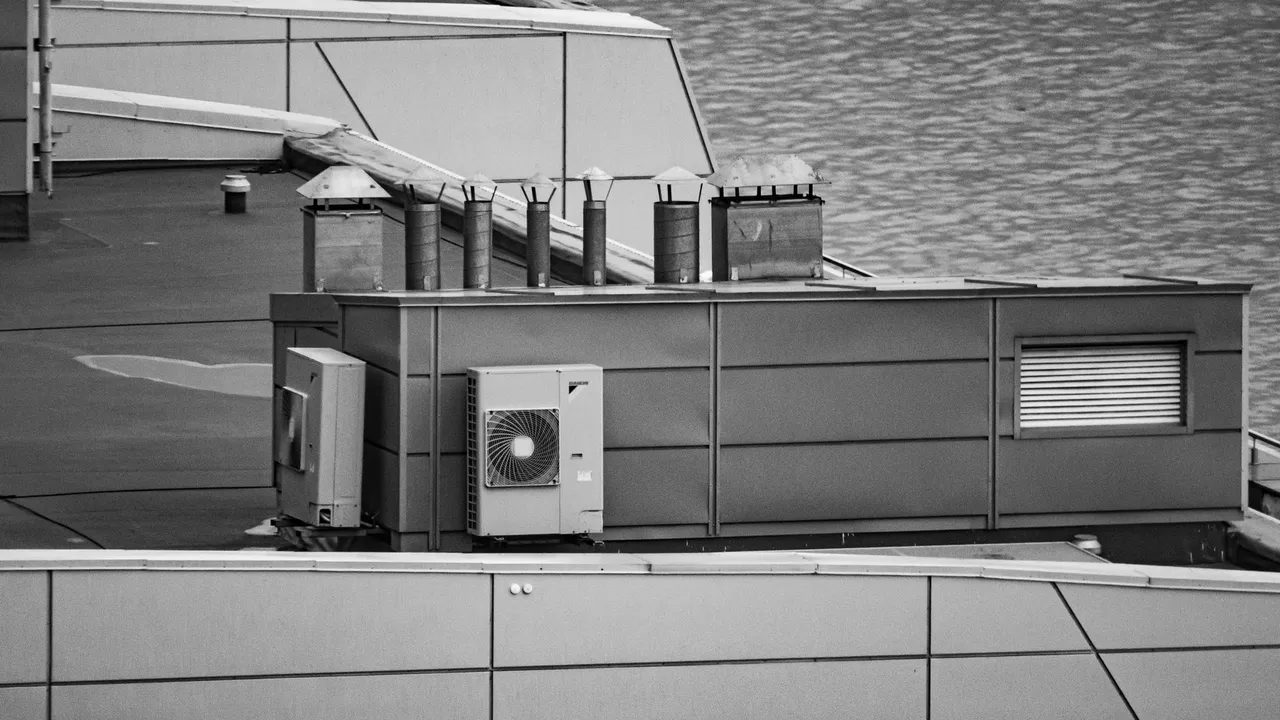
- Rooftop Units (RTUs): Expect roughly 15 to 20 years. These units sit outside, baking in summer sun and riding out winter freezes, and the weather takes a real toll.
- Variable Refrigerant Flow (VRF) Systems: Usually 15 to 20 years. They offer great efficiency but rely on complex controls and circuit boards, and once those electronics age, repairs get complicated.
- Chillers and Boilers: Water-cooled chillers often last 20 to 30 years; air-cooled chillers, which sit outdoors, more commonly last about 15 to 20. Boilers often last 20 to 30 years depending on their type and care. Equipment indoors in a mechanical room is protected from the weather, which helps.
- Air Handling Units (AHUs): Commonly 20 to 25 years. The cabinet itself can last decades if the coils are kept clean and the fans, motors and bearings get regular service.
These are typical ranges, not guarantees. The condition of your specific equipment matters more than its age alone.
Residential vs. Commercial HVAC: Why Commercial Units Wear Differently
Don’t compare your home air conditioner to a commercial setup. Commercial systems often run long hours to cool open retail floors, crowded offices, and high-heat areas like server rooms. That heavy, steady operation wears parts down differently and calls for a different approach to maintenance.
Key Factors That Impact Commercial HVAC Longevity
Reaching the two-decade mark is never guaranteed. Several variables decide whether your equipment goes the distance or fails early.
Climate and Operating Environment
Location matters. Coastal buildings deal with salt air, which corrodes aluminum condenser fins. Long, hot summers keep compressors running for hours. Dusty or industrial areas clog filters and coils. The harsher the environment, the shorter the lifespan.
Maintenance Consistency and Preventive Care
These machines can’t be ignored. Changing filters and cleaning coils (gently, without high pressure that can bend the fins) is basic upkeep. Following a commercial HVAC maintenance checklist keeps small problems from turning into failed motors and compressors, and well-maintained equipment tends to last noticeably longer than neglected equipment.
Usage Intensity
Hours of operation matter alongside calendar age. A unit cooling a server room that never shuts off piles up far more operating hours than one cooling a dental office from 9 to 5, though equipment design, loading, cycling and maintenance also affect how quickly parts wear.
Installation Quality and Proper Sizing
The day the equipment is installed shapes its future. An oversized cooling unit can short-cycle, turning on and off rapidly, which adds compressor wear and removes less moisture from the air. An undersized unit may run continuously on hot days without keeping up. Proper sizing and controls help avoid both problems.
7 Warning Signs Your Commercial HVAC System Needs Attention
Smart facility managers don’t wait for a total breakdown. Watch for these seven red flags to catch problems early.
Rising Energy Bills Without a Change in Utility Rates
Unexplained increases in your energy costs are a bad sign. They often mean the system is working harder to deliver the same cooling or heating. As parts wear out, efficiency drops.
Frequent and Increasingly Expensive Repairs
Look at your invoices. Is your HVAC technician on the roof every month? Constantly replacing contactors, capacitors and fan belts suggests the equipment is wearing out, and you may be spending more on short-term fixes than they are worth.
Inconsistent Temperatures Across Building Zones
Are top-floor tenants freezing while the ground floor sweats? Hot and cold spots can point to failing air handlers, control problems, or ductwork that can no longer move air properly through the building.
Unusual Noises, Odors, or Excessive Vibration
Commercial units should run fairly smoothly. Grinding or heavy vibration can mean worn bearings or other internal damage, and screeching often points to a bad belt or motor bearing. A burning smell can mean overheating electrical parts: shut the unit off and have it checked right away, and if there is smoke, treat it as a fire emergency.
Age of the Equipment (Crossing the 15-Year Threshold)
Check the manufacturing date on the data plate. Once a unit passes 15 years, start planning for replacement as part of your capital budget rather than waiting for an emergency breakdown.
Outdated Refrigerants (e.g., Phase-out of R-22)
Still running R-22 equipment? US production and import of new R-22 ended in 2020. Existing equipment can still be serviced with stockpiled R-22 or properly recycled or reclaimed refrigerant, but price and availability vary, and a major leak on old equipment is often the point where replacement makes more sense.
Poor Air Quality
Stale indoor air and rising humidity are common tenant complaints. They can mean the system no longer conditions the space properly. When it can’t pull moisture out of the air, the whole building feels damp and uncomfortable.
Repair vs. Replace: The 50% Rule for Commercial Equipment
When a major component fails, you face a tough financial call. Do you repair it, or replace it?
Calculating Repair Costs vs. Replacement Value
A common rough screening tool is the 50% rule: if a repair quote is more than half the total installed cost of comparable new equipment, consider replacement, especially on older units. Putting thousands into a 16-year-old system often doesn’t pay off. Weigh the unit’s condition, expected remaining life, efficiency, repair history and downtime alongside both quotes.
Factoring in Downtime and Business Disruption Costs
Look beyond parts and labor. A dead rooftop unit can shut down a busy retail floor or a corporate office, costing you business and frustrating tenants. Sometimes a planned replacement costs less than repeated emergency downtime.
Proven Strategies to Maximize Your Commercial HVAC Lifespan
You can protect your budget and get more years out of your equipment with a few practical steps.
Implement a Regular Preventive Maintenance Schedule
Don’t operate reactively. Many commercial buildings schedule professional service quarterly, with seasonal checks before cooling and heating operation. Follow the manufacturer’s schedule and your site conditions, since some tasks need more frequent attention. Technicians check electrical connections, inspect belts and filters and replace them as needed, clean condensate drains, and lubricate bearings where specified. Finding a loose connection today can prevent a failed component tomorrow.
Optimize Your Building Management System (BMS) and Thermostats
Avoid heating and cooling spaces nobody is using. Use your BMS or programmable thermostats to adjust temperatures around actual occupancy, while keeping humidity control, freeze protection and any required ventilation or equipment cooling in place. Good scheduling cuts energy use and unnecessary run time.
Keep Rooftop Clearance and Condenser Coils Clean
Airflow is everything in HVAC. Keep debris, leaves, and trash away from rooftop units. Clean condenser coils let the system reject heat properly instead of overworking the compressor and fan motors.
Frequently Asked Questions
How long does a typical commercial HVAC system last?
Most commercial systems last about 15 to 20 years. That depends heavily on routine maintenance, local weather, and how hard the equipment runs every day.
What type of commercial HVAC system lasts the longest?
Indoor equipment usually lasts longest. Boilers, chillers and air handling units in a mechanical room are protected from sun, wind and freezing rain, and many run past 20 years with good maintenance.
What factors shorten the lifespan of commercial HVAC equipment?
Neglect is the biggest one. Beyond skipped service, improper sizing, demanding operating conditions and coastal salt air can all shorten equipment life.
Can preventive maintenance extend commercial HVAC system life?
Yes. It works like changing the oil in your truck. Regular coil cleaning, filter changes and checks on electrical connections and moving parts keep small problems from turning into failed motors or compressors.
How do I know if my commercial HVAC system is nearing the end of its life?
Rising utility bills, constant service calls, grinding noises and inconsistent temperatures all call for an inspection. A technician can tell you whether repair or replacement makes sense based on the cause, the equipment’s condition and its repair history.
When should a business replace its commercial HVAC system?
Consider replacement when frequent failures, the equipment’s condition and repair costs make it less economical to keep. A common rough guide is a repair costing more than about half the total installed cost of new equipment, especially on units past 15 years.
Does using R-22 refrigerant mean I need a new system?
Not immediately, but plan for it. Existing systems can still be serviced with stockpiled or properly recycled or reclaimed R-22, although service costs and availability vary. A major leak often tips the decision toward replacement.
How much does it cost to replace a commercial HVAC unit?
Costs vary widely with the size of the building, the tonnage, the type of equipment and access (a rooftop unit may need a crane). Smaller rooftop units cost far less than central plant equipment, and large chiller replacements can exceed $100,000. Get a site-specific quote.
Should I replace all my rooftop units at the same time?
Not necessarily. Many facility managers phase replacements, starting with the oldest or most problematic units, to spread the capital expense across several budget years.
Will a new commercial HVAC system lower my energy bills?
Usually. Replacing an old, inefficient system with a modern high-efficiency one often lowers cooling costs noticeably. How much depends on the old unit’s efficiency, the new one’s rating and how the building is run.
Why Trust Sharpline Inc
Sharpline Inc has spent years on multifamily and commercial property work, alongside the property managers and owners who keep those buildings running. Heating and cooling is one of our services, with one number for every trade.
We aim to diagnose properly the first time and give you upfront pricing, so you can decide between repair and replacement with real numbers in front of you. For a broader plan, see our guide on why preventive maintenance saves property owners money.
Conclusion
Knowing your commercial HVAC system’s lifespan keeps you from getting caught off guard. Track the age of your units, watch your monthly energy bills, and don’t skip routine maintenance. Staying proactive gets the most out of your equipment and protects your budget.
Don’t wait for the system to fail on the hottest day of the year. Schedule a professional HVAC inspection to find out where your equipment stands.
Wondering how much life your equipment has left?
Call Sharpline to schedule an HVAC inspection and talk through repair or replacement.