
Summary: Electrical problems can start with small warning signs such as frequent breaker trips, flickering lights, buzzing sounds, warm outlets, or burning smells, but ignoring them can lead to serious safety hazards like electrical fires. Regular electrical inspections help identify issues caused by outdated wiring, overloaded panels, poor DIY repairs, and missing safety features like GFCI outlets before they become emergencies. Homeowners should schedule professional inspections, especially for older homes, renovations, or properties showing warning signs, to ensure their electrical systems remain safe and code-compliant.
Most electrical issues don't announce themselves with loud sirens or flashing red lights. They start with an intermittent flicker, a lukewarm faceplate, or a faint buzzing sound behind the drywall. If you brush these minor quirks off, you are playing a dangerous game. According to the National Fire Protection Association (NFPA), faulty wiring sparks tens of thousands of residential fires every single year. Countless homeowners live in the dark about their property's true safety until a core component fails completely. Let's break down the critical electrical inspection signs that mean it is time to call in an expert before a minor glitch turns into a major emergency.
Why Proactive Electrical Safety Can't Wait
Houses take a serious beating as the years roll on. Modern households demand exponentially more power than what older wiring was ever engineered to handle. Today, a typical home runs multiple computers, heavy kitchen appliances, entertainment systems, and EV chargers all at once, pushing aging circuits straight to their absolute breaking point.
Top 3 Reasons Electrical Systems Fail
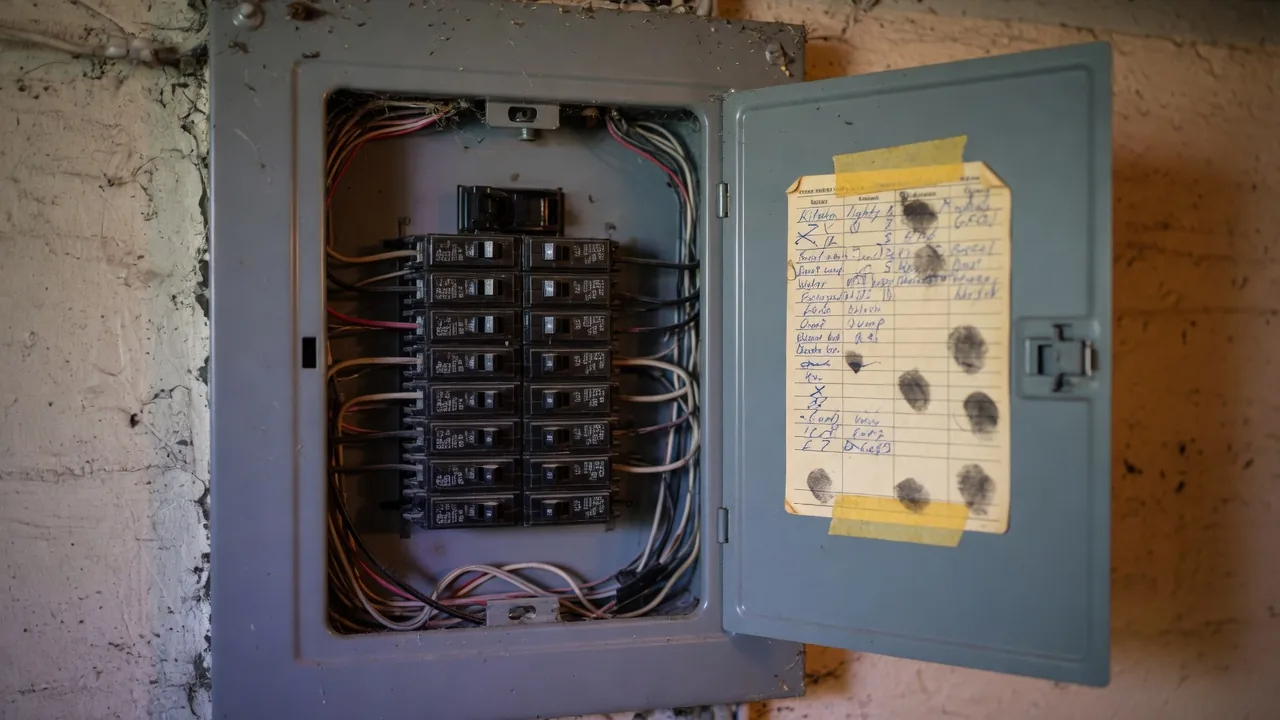
- Old panels maxing out: Most vintage breaker boxes were only built to handle 100 amps. You add a couple of space heaters, a massive fridge, and a smart TV to the mix, and those old components just melt or fail from the constant draw.
- Crumbling wire insulation: Wire coating doesn't last forever. Heat makes it brittle over time. We frequently open up walls in older homes where the plastic jacket literally crumbles in our hands, leaving bare copper completely exposed.
- Terrible DIY wire jobs: You wouldn't believe the messes people hide behind drywall. We constantly run into buried junction boxes and wires twisted together with cheap masking tape just because a previous owner wanted to save a quick buck.
| Home Situation | How Often to Inspect | What Gets Checked |
|---|---|---|
| Just Bought a House | Before closing the deal | Main panel, grounding, and branch wiring. |
| Home Over 25 Years Old | Every 3 to 5 years | Outlets, switches, and circuit loads. |
| Major Renovation | Before and after construction | Full code compliance and load capacity. |
10 Signs of Electrical Problems in a Home
1. Frequent Circuit Breaker Tripping
Tripping a breaker once in a blue moon when running a vacuum and a hair dryer at the exact same time happens. But if a breaker flips over and over during normal, everyday use, something is fundamentally wrong with the circuit.
When our field crews pull the covers off panels with chronic tripping issues, we regularly uncover overloaded circuits, failing breakers, or hidden short-circuits. Breakers exist to cut power before your walls catch fire. Ignoring frequent trips is a gamble you shouldn't take.
2. Flickering or Dimming Lights
Does your living room lighting dip every single time the refrigerator compressor fires up, or does the kitchen dim when the HVAC system kicks in? Minor voltage drops can happen, but persistent flickering means a circuit is maxed out or your main service feed is failing.
If your home runs on older 100-amp service, you almost certainly need to upgrade your electrical panel to handle today's heavy electrical demands safely and efficiently.
3. Buzzing, Popping, or Crackling Sounds
Electricity is supposed to travel completely silently through your infrastructure. If you catch a faint buzz, snap, or crackle near a switch, outlet, or your main breaker box, stop what you are doing and investigate.
Those sounds mean electricity is arcing: jumping across loose, damaged, or corroded connections. Arcing creates intense, localized heat instantly and stands as a top cause of hidden residential fires.
4. Warm or Discolored Wall Outlets
Next time you unplug your phone charger or kitchen appliance, brush your hand against the plastic plate. Outlets and switches should always feel neutral and cool.
If the plate feels warm to the touch, or if you spot brownish discoloration, black scorch marks, or warped plastic around the slots, your wiring is meeting heavy resistance. That heat buildup means internal wire terminals are loose and heading toward catastrophic failure.
5. A Persistent Burning Smell
A brand-new space heater or oven might give off a faint, temporary plastic smell the very first time you turn it on while factory oils burn off.
That is normal. A persistent, sharp burning odor near your outlets, switches, or breaker box is an absolute emergency. That smell usually means wire insulation or plastic boxes are melting inside the wall cavity. Kill the power at the main breaker immediately and call a professional.
6. Sparking When Plugging in Devices
Seeing a tiny, split-second blue flash when plugging a heavy appliance into an outlet happens because of a sudden current surge.
On the other hand, if you consistently see bright, large blue or yellow sparks, hear a loud pop, or notice black soot left on your appliance prongs, you've got a loose connection or a short circuit. Get it checked out right away.
7. Mild Shocks or Tingling from Appliances
Ever touched the metal housing of a toaster, washer, or fridge and felt a weird, static-like tingle?
That isn't normal static electricity. It's a massive red flag pointing to a failed ground. When appliances lack proper grounding, stray current travels across the metal exterior instead of sinking safely into the earth. Anyone touching that machine faces a real shock hazard.
8. Two-Prong Un-Grounded Outlets
Older houses often feature those old two-slot outlets in bedrooms and living areas that miss the ground wire required to handle stray power spikes. While past building rules grandfathered them in, they leave modern gear unprotected and increase your risk of a nasty shock. Upgrading them means getting proper GFCI outlet installation or having an electrician rewire that run.
9. Lack of GFCI Outlets in Wet Areas
Ground Fault Circuit Interrupters are absolute lifesavers. They cut power in milliseconds if moisture introduces a danger zone.
Current building codes require GFCIs in kitchens, bathrooms, laundry spaces, and outdoors. If your older house lacks these near sinks or patios, you're dealing with a major safety hazard every time water is nearby.
10. You Live in A Home Over 25 Years Old
Older houses have incredible character, but they also hide vintage electrical infrastructure built for a completely different era.
Properties past the 25-year mark frequently contain deteriorating knob-and-tube wiring, brittle cloth insulation, or aging aluminum branch wiring that loosens at connections. Prioritizing home renovation safety means checking this underlying infrastructure before touching surface cosmetics.
Why Trust Sharpline Inc. for Your Property's Safety?
Tackling big property maintenance & renovation jobs takes real, boots-on-the-ground experience. At Sharpline Inc., we've spent years out in the field tracking down weird electrical ghosts, fixing messy wiring, and upgrading old panels so houses run right.
Our guys aren't just punching the clock; they are licensed, fully trained pros who know every quirk of old knob-and-tube wiring just as well as they understand what a modern smart home demands. We aren't here to slap a band-aid on a broken wire and run off. We care about making sure your family is actually safe for the long haul. Fair prices, strict adherence to the rulebook, and a solid reputation across the neighborhood mean you can count on us to treat your house right.
What to Expect During a Professional Home Electrical Inspection?
Having an electrician walk through your front door shouldn't make your stomach drop. When we show up to perform a home electrical inspection, we keep things straightforward and stress-free. It's a thorough look at your whole setup, without tearing up your walls.
We pop open the main panel to check your breakers, busbars, and incoming lines. We pull out our meters to test if your outlets are actually grounded and to see how much juice your circuits are pulling. At the end of the day, we check everything against NFPA codes and hand you a plain-English report telling you straight up what looks great and what needs fixing.
Frequently Asked Questions
How often should a house have an electrical inspection?
If you are wondering when to get an electrical inspection, you should bring a licensed electrician out every 3 to 5 years, or immediately if you just bought a place that is more than 25 years old.
What happens if an electrical inspection finds a problem?
The electrician hands you a detailed report pointing out code violations or worn parts, along with clear, honest recommendations on what needs fixing first.
Is a burning smell from an outlet an electrical emergency?
Yes, absolutely. That smell usually means wire insulation is melting behind the drywall. Shut off your main breaker right away and call a pro.
Can I inspect my own electrical panel safely?
No way. Opening a live panel puts you right next to uninsulated, lethal voltage and arc flashes. Leave that job to certified electricians.
Why do my lights flicker when the air conditioner turns on?
Big HVAC units pull massive amounts of power when they start up. If your lights dip hard, your main service panel is struggling with the load.
What are GFCI outlets and why do I need them?
Ground Fault Circuit Interrupters are special safety outlets that cut the power instantly if water touches them, protecting you from nasty shocks.
How much does an electrical inspection cost?
Prices depend on how big your house is, but paying for a checkup costs pennies compared to fixing a massive electrical fire.
Are two-prong un-grounded outlets illegal?
They usually get grandfathered in under older building rules, but they are totally outdated and dangerous for today's high-tech gear.
What is electrical arcing?
Arcing happens when electricity jumps across loose or damaged wires, making crazy amounts of heat that can easily start a fire in your walls.
Does homeowners insurance cover electrical inspections?
Standard policies rarely pay for routine checkups, though many companies demand proof of safe wiring before they will insure an older home.
Spotted any of those warning signs around your place?
Don't sit around waiting for a breaker to blow or a wire to melt. Give Sharpline Inc. a call today and let's get your electrical safety inspection scheduled.