
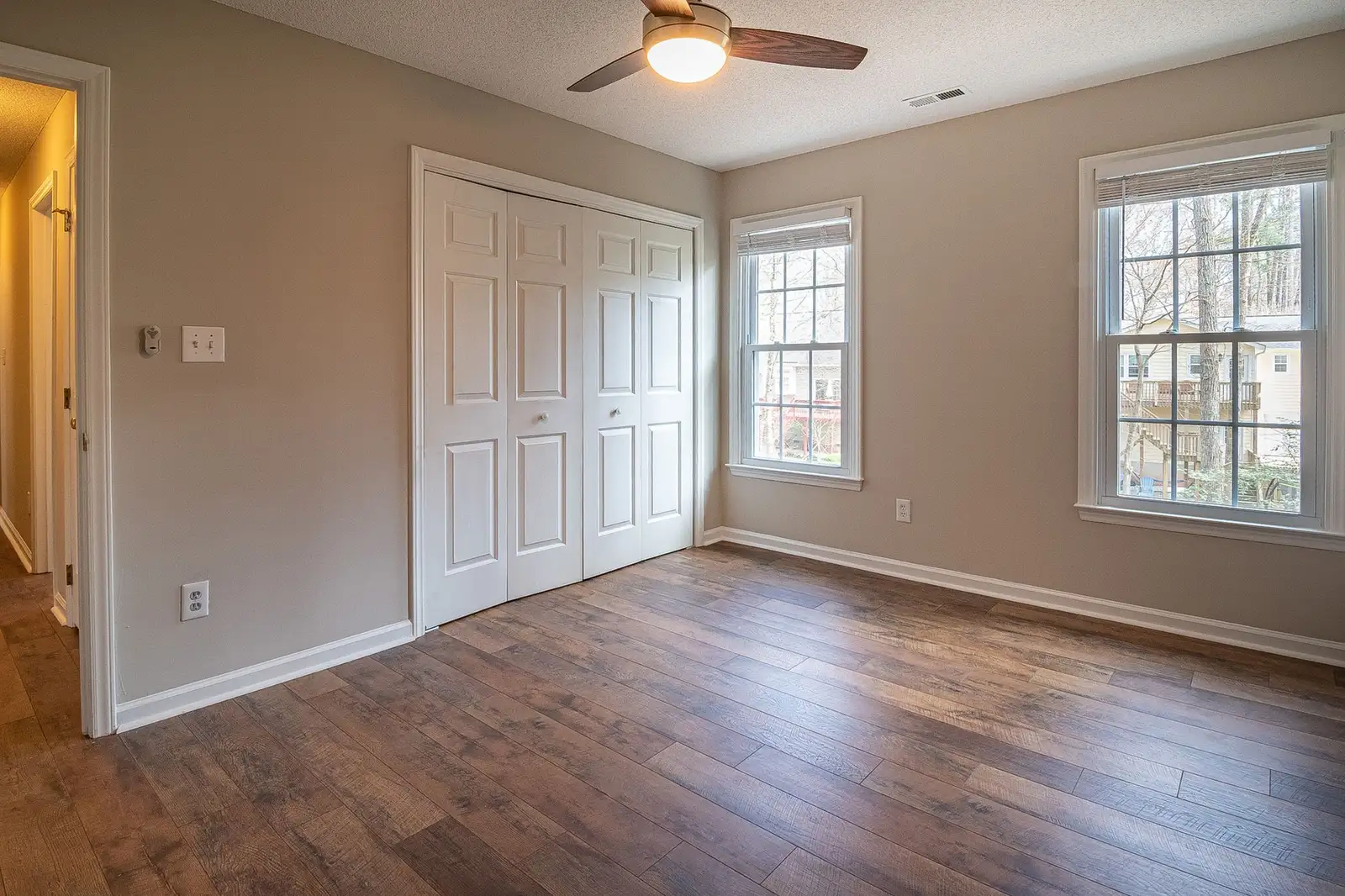
Tile & Flooring Services in Hampton Roads, VA
Looking for tile and flooring in Hampton Roads, VA? Sharpline helps with tile, luxury vinyl plank, hardwood and grout work. Tell us what needs attention.
Tile & Flooring across Hampton Roads, Virginia
Tile & Flooring in Hampton Roads, VA
A floor can look like the problem without actually being where the problem starts. A cracked tile may be sitting over a surface that moves. A soft spot beside a toilet can point to moisture below the finished floor. Hardwood that begins to cup after a leak may need more than sanding.
Sharpline provides tile and flooring Hampton Roads, VA services for homeowners, rental properties, commercial buildings, and multifamily properties. Our work includes tile installation Hampton Roads, VA, LVP, hardwood, laminate, carpet, subfloor repairs, flooring replacement, and floor repair Hampton Roads, VA.
The first step is understanding the floor that is there now, including what may be happening underneath it. Tell us what you see, and we will evaluate the floor before recommending a repair.
Flooring Services Hampton Roads, VA
Flooring decisions should start with the room, the condition of the existing floor, and how the space is used. A busy kitchen has different needs from a bedroom, while a rental property may need a material that can handle frequent turnovers and everyday wear.
Sharpline's flooring services Hampton Roads, VA include installation and repair work involving tile, LVP, hardwood, engineered wood, laminate, carpet, and existing flooring that may be worth restoring. Before new flooring goes down, the subfloor and surrounding conditions should also be considered. Moisture, uneven areas, damaged plywood, or movement underneath the surface can affect the finished installation.
Tile Installation Hampton Roads, VA
Professional tile installation Hampton Roads, VA involves much more than setting tile in mortar. The surface underneath needs to be suitable, the layout has to make sense in the room, and cuts, grout lines, transitions, and edges all affect how the finished project looks.
Ceramic Tile Installation
Ceramic tile can work well for many floors, walls, and backsplash applications when the specific product is suitable for the location. Installation begins with checking the surface, planning the layout, and determining where full and cut tiles will fall. Mortar coverage, spacing, grout joints, and clean edges all contribute to a finished installation that looks intentional.
Porcelain Tile Installation
Porcelain tile is often chosen for demanding applications because many porcelain products are dense and have low water absorption. That does not mean every porcelain tile is right for every space. Product specifications, slip characteristics, size, room conditions, and installation requirements should still guide the decision.
Tile Layout and Pattern Planning
Good tile work is noticeable before the first tile is permanently set. Starting lines, doorway locations, room dimensions, focal points, grout spacing, and visible cuts should be considered together. A poor starting point can leave narrow pieces along a prominent wall even when the tile itself was installed securely.
Large-Format Tile
Large-format tile can create a clean appearance, but it also makes surface flatness especially important. High and low spots that are less noticeable under smaller tile can become difficult to manage with larger pieces. The substrate should therefore be evaluated and prepared according to the tile and installation system being used.
Natural Stone Tile
Where natural stone installation is appropriate and offered, the material needs to be treated according to its particular characteristics. Natural stone can vary in color, thickness, porosity, and maintenance requirements. Surface preparation, setting materials, sealing where required, and realistic expectations about natural variation should all be discussed before installation.
Bathroom Tile Installation
Bathrooms place more demands on tile work than appearance alone. Floors, shower walls, shower pans, and tub surrounds may all be exposed to regular moisture, so the assembly behind the tile matters just as much as the visible surface.
Sharpline's bathroom tile work can include floors, shower areas, and tub surrounds where those services fit the project. Waterproofing systems, substrate preparation, tile cuts, grout joints, movement areas, and transitions should be planned before finish tile goes in. Tile and grout are only part of a wet-area assembly, so they should not be treated as the entire waterproofing system.
Kitchen Tile and Backsplash Installation
Kitchen flooring has to deal with traffic, spills, chairs, appliances, and frequent cleaning. Tile can be a practical choice when the product and substrate are appropriate, but the installation still depends on good preparation underneath.
Kitchen backsplash work adds another set of details. Outlet cuts, edges near cabinets, areas behind ranges, pattern layout, and grout lines all affect the finished appearance. Where Sharpline provides backsplash installation, the layout should be planned around the actual kitchen rather than simply starting tile at one end and hoping the cuts work out.
Luxury Vinyl Plank Installation
Luxury vinyl plank has become popular because it can provide a wood-look surface with relatively straightforward maintenance. Professional LVP installation Hampton Roads still requires careful preparation underneath the planks.
Click-lock and glue-down products have different installation requirements. Subfloor flatness, approved underlayment, expansion space, transitions, moisture conditions, and manufacturer instructions should be considered before installation. Not every LVP product carries the same moisture rating, so the actual product specifications should guide where and how it is installed.
Hardwood and Engineered Wood Flooring
Wood flooring changes the feel of a room, but it is also sensitive to the conditions around it. Sharpline works with hardwood flooring Hampton Roads, including solid and engineered products where appropriate.
Before installation, the existing subfloor, room conditions, moisture, acclimation requirements, and intended use of the space should be considered. Engineered hardwood may behave differently from solid wood, but neither should be installed without paying attention to the environment underneath and around it. Hampton Roads humidity and crawlspace conditions can be especially relevant when moisture-sensitive flooring is being considered.
Hardwood Floor Repair and Refinishing
A worn hardwood floor does not automatically need to be replaced. Scratches, fading, isolated damaged boards, surface wear, and older finishes may sometimes be addressed through hardwood floor repair Hampton Roads or hardwood floor refinishing Hampton Roads.
The decision depends on the condition and thickness of the wood, previous sanding, moisture damage, cupping, crowning, and movement below the floor. Some floors may be suitable for screening and recoating, while others need full sanding or board replacement. If moisture is still affecting the wood, that problem should be addressed before refinishing begins.
Laminate Flooring Installation
Laminate can be a practical option for certain rooms, but the material depends heavily on proper preparation beneath it. An uneven surface, moisture problem, or incorrect expansion space can affect how the finished floor performs.
Professional laminate flooring Hampton Roads installation should consider underlayment, subfloor flatness, expansion requirements, room transitions, and the manufacturer's instructions for the selected product. Moisture limitations should also be reviewed before choosing laminate for a particular area.
Carpet Installation and Replacement
Carpet remains useful in bedrooms, stairs, and other areas where homeowners prefer a softer surface. A carpet project can involve removal of existing material, evaluation of the floor underneath, pad selection, tack strip condition, transitions, and installation of the new carpet.
If old carpet is being removed because of water damage or persistent odor, the exposed subfloor should be checked before new material goes down. Covering a damaged or contaminated surface with new carpet can leave the original problem unresolved.
Floor Repair Hampton Roads, VA
Not every damaged floor needs complete replacement. Professional floor repair Hampton Roads, VA should begin by determining what failed and whether the damage is limited to one area or extends into the subfloor or framing.
Soft or Spongy Floors
A floor that feels soft when stepped on should not simply be covered with new flooring. Moisture, deteriorated plywood, loose material, or framing concerns may be involved. The soft area needs to be evaluated so the underlying cause can be addressed before the finish floor is restored.
Water-Damaged Flooring
Water-damaged floors should be repaired in the right order. First identify and stop the leak, then allow affected materials to dry and determine what needs replacement. Damaged subflooring can then be repaired before the finished tile, wood, laminate, or LVP is restored.
Cracked or Loose Tile
A tile can crack after a hard impact, but repeated cracking in the same area may point to movement below the surface. Loose or hollow-sounding tile can also deserve closer inspection. Replacing the visible tile without understanding why it failed may result in the same problem returning.
Damaged Planks or Boards
Localized plank or board replacement may be possible when damage is limited and matching material can be found. Availability matters because older products may have been discontinued or may no longer match perfectly after years of wear and sun exposure.
Squeaky or Moving Floors
A squeak does not always originate in the finish flooring. Movement can occur between layers of the floor system or around fasteners and framing. The area should be evaluated before deciding whether surface flooring needs repair or the problem lies underneath.
Repair vs. Replacement
The decision between repair and replacement depends on the size of the damaged area, material availability, matching, moisture, subfloor condition, and overall cost. A localized repair can make sense when the surrounding floor is sound, while widespread damage may justify replacement.
Subfloor Repair Hampton Roads, VA
The subfloor is easy to ignore because it disappears once the finished floor is installed. It becomes very important when there are soft areas, movement, unevenness, or water damage.
Professional subfloor repair Hampton Roads may involve damaged plywood, loose sections, deteriorated material around toilets or appliances, uneven areas, or issues connected to floor joists. Leaks from dishwashers, laundry equipment, plumbing fixtures, and other sources can damage the structure before the finished flooring looks seriously affected.
Sharpline's flooring approach emphasizes correcting what is underneath before installing a new surface. A new floor should not become a cover for damaged material below it.
Floor Leveling and Preparation Before Installation
Floor leveling Hampton Roads work can be necessary when the existing surface has high spots, dips, uneven concrete, irregular plywood, loose fasteners, or residue from older flooring.
The preparation method depends on the substrate and the flooring being installed. Self-leveling materials may make sense in some situations, while other areas may need patching, fastening, grinding by qualified professionals, or other approved preparation. New flooring follows the surface underneath it, so poor preparation can remain visible or cause performance problems after installation.
Hampton Roads Moisture, Crawlspaces, and Concrete Slabs
Many Hampton Roads properties are built over crawlspaces or concrete slabs, and moisture can become relevant when installing wood, laminate, LVP, or other moisture-sensitive materials.
Crawlspace humidity, slab moisture, plumbing leaks, and seasonal conditions should be considered when there are signs of moisture or when the selected product has specific installation limits. Testing, approved underlayment, or vapor protection may be required depending on the substrate and flooring manufacturer.
Not every Hampton Roads home has a moisture problem. The point is to check conditions when the property or flooring material gives a reason to do so.
Flooring Removal and Replacement
Removing an existing floor often reveals information that could not be seen beforehand. Old adhesive, damaged plywood, uneven concrete, water staining, loose sections, or previous patchwork may only become visible after demolition begins.
Floor replacement can therefore involve more than tearing out one surface and immediately installing another. The exposed floor should be checked, repairs completed where necessary, and the substrate prepared before new material goes down. Customers should understand that hidden conditions can sometimes change the final scope of the project.
Older Flooring and Asbestos Safety
Some older flooring materials and adhesives can be suspect for asbestos, particularly certain pre-1980 sheet flooring, older 9x9 tiles, and black cutback adhesive. These materials should not be dry-scraped, sanded, ground, or otherwise disturbed without appropriate evaluation.
Testing may be needed before flooring removal continues. If asbestos-containing material is confirmed, abatement is specialist work. Depending on site conditions and the new flooring system, leaving material in place and installing over it may sometimes be an option, but only when appropriate for the product and project.
Transitions, Thresholds, Baseboards, and Finishing Details
The last few inches of a flooring project can make a large difference in how finished the room looks. Doorways, different flooring heights, thresholds, baseboards, quarter round, shoe molding, and transition strips all need to be considered as part of the installation.
Door clearance may also change when a new floor sits higher than the previous surface. Baseboards may need to be removed and reset, or new shoe molding may be appropriate. Even a well-installed floor can look unfinished when the perimeter and transitions are handled poorly.
Tile Repair, Regrouting, and Recaulking
Not every tile problem requires replacing the entire floor or wall. Sharpline's tile services can include replacement of cracked tile, regrouting, and recaulking where appropriate.
Loose tile, hollow areas, worn grout, or failed caulk at corners should be evaluated before repair. Matching older tile can be difficult because colors, sizes, finishes, and product lines change over time. Customers should understand that a structurally sound replacement may not always be an exact visual match to an older installation.
Residential Tile and Flooring Services
Home flooring should be selected around the way the household actually lives. A busy entryway faces different wear from a bedroom, while a kitchen or laundry room may have more exposure to spills and moisture.
Professional residential flooring Hampton Roads can include kitchens, bathrooms, bedrooms, living areas, mudrooms, hallways, and other spaces. Pets, children, rolling chairs, sand and grit, cleaning routines, moisture exposure, and comfort should all be considered when comparing flooring materials.
Commercial and Multifamily Flooring Services
Commercial and multifamily flooring work often has to be planned around tenants, employees, customers, and building schedules. Sharpline's broader property-maintenance background makes this work a natural fit when flooring is one part of a larger property project.
Commercial flooring Hampton Roads may include LVP, tile, repairs, unit-turn flooring, common areas, and other approved installation work. Multifamily projects may also require coordination with plumbing, painting, handyman, or other trades when flooring damage is connected to a larger maintenance issue.
Rental Turnover and Property Flooring
Rental turnovers often expose damage that went unnoticed while furniture was in place. Planks may be scratched, carpet may be worn, tile may be cracked, and baseboards or transitions may need attention before the next tenant moves in.
Sharpline can coordinate flooring for rental properties Hampton Roads projects with other make-ready work when appropriate. That may include LVP replacement, carpet removal, tile repair, subfloor work after leaks, trim, and other repairs required to prepare the unit for occupancy.
When a Flooring Problem Is Actually Plumbing or Foundation Damage
A major advantage of Sharpline's multi-trade model is that the visible flooring problem does not have to be treated in isolation. Some floor failures are symptoms of water or structural conditions elsewhere in the property.
Soft Floor Near a Toilet, Tub, or Dishwasher
A soft area near plumbing fixtures or appliances can indicate that water has affected the subfloor. The leak or moisture source should be identified and corrected first. Replacing the finished flooring without addressing active moisture can leave damaged material underneath.
Tile Keeps Cracking in the Same Line
One cracked tile can result from impact. A line of recurring cracks may point to movement in the substrate, framing, or another part of the floor assembly. Replacing the tile repeatedly without investigating the movement may only provide temporary improvement.
Floor Slopes and Doors Begin Sticking
When a floor develops noticeable slope and nearby doors also begin sticking or changing alignment, the issue may extend beyond the finish flooring. Framing, girders, crawlspace conditions, or foundation movement could be involved and may require evaluation before flooring work continues.
Baseboards Swell or Walls Stain Near the Floor
Swollen baseboards or staining at the bottom of a wall can suggest moisture has traveled beyond the floor covering. In those cases, flooring, plumbing, drywall, trim, and other materials may all need to be considered as part of the repair.
Our Tile and Flooring Service Process
Sharpline's flooring process begins with understanding the problem rather than assuming every customer needs a complete replacement. The visible floor, the substrate, moisture conditions, and surrounding systems can all influence the final recommendation.
Tell Us What the Floor Is Doing
Describe the symptoms as specifically as possible. Let the team know if tile is cracking, the floor feels soft, boards are moving, water damage occurred, the floor squeaks, or you are simply planning a replacement. Those details provide a better starting point for the visit.
Inspect the Floor and Subfloor
The visible surface is only part of the flooring system. The existing flooring, accessible subfloor conditions, transitions, and other relevant areas should be considered before a final repair or installation plan is established.
Identify Moisture or Structural Problems
If signs point to plumbing leaks, crawlspace moisture, framing movement, or another connected condition, that problem should be addressed before new flooring hides it. Sharpline's other trades can become involved where appropriate.
Review Flooring and Repair Options
Depending on the condition of the floor, repair, refinishing, localized replacement, or full replacement may be considered. The recommendation should reflect the actual floor rather than defaulting automatically to the largest project.
Review Scope and Price
Before approved work begins, the customer should understand what is included in the project. Sharpline's service process emphasizes reviewing the scope and price before proceeding, which is especially important when removal may reveal hidden subfloor conditions.
Prepare the Floor
Preparation may include removal of existing flooring, subfloor repairs, floor leveling, cleaning, moisture considerations, underlayment, or other work required for the selected flooring system.
Install or Repair the Flooring
Once preparation is complete, the approved flooring installation or repair can move forward according to the material, project conditions, and manufacturer requirements.
Finish and Review
Transitions, thresholds, molding, cleanup, and other finishing details complete the project. The finished work should be reviewed so the customer understands what was completed and whether any related work remains.
How Much Do Tile and Flooring Services Cost in Hampton Roads, VA?
Tile and flooring prices depend on much more than square footage. Flooring material, tile size, pattern, demolition, subfloor repairs, leveling, moisture work, underlayment, stairs, transitions, trim, and access can all affect the final scope.
A straightforward LVP installation over a sound, level surface is very different from removing bathroom tile and discovering a deteriorated subfloor around the toilet. Tile layouts with numerous cuts can also require more labor than simple flooring installations.
When comparing estimates, review the work included rather than looking only at the total price. A written scope should explain removal, preparation, repair work, flooring installation, and relevant finishing details.
Why Choose Sharpline for Tile and Flooring in Hampton Roads?
Sharpline's advantage is not simply access to several types of flooring. The company can look at the floor as part of the larger property and involve another trade when the problem starts somewhere else.
We Look Under the Floor First
A new surface should not be installed over unresolved damage. Sharpline's flooring approach considers the subfloor, moisture, movement, and related conditions before recommending new flooring.
Repair Instead of Replace When It Makes Sense
Localized damage does not always justify replacing an entire floor. When the surrounding flooring and subfloor are sound and suitable replacement material is available, repair may be a practical option.
One Company When Flooring Crosses Into Another Trade
A soft floor may involve plumbing. Repeated cracked tile may point to movement below. Moisture damage can also affect drywall or trim. Sharpline can coordinate flooring with plumbing, foundation, painting and drywall, handyman, and other related services where needed.
Upfront Scope and Pricing
Customers should understand the approved scope and price before work starts. If demolition reveals a hidden condition that changes the project, the revised work can be explained before moving forward.
Residential, Rental, Commercial, and Multifamily Experience
Sharpline works across owner-occupied homes, rental properties, commercial facilities, and multifamily properties. That broader maintenance experience can be useful when flooring is part of a turnover, renovation, repair, or larger property project.
Tile and Flooring Services Throughout Hampton Roads, VA
Sharpline serves customers throughout Hampton Roads, including Virginia Beach, Norfolk, Chesapeake, Hampton, Newport News, Portsmouth, Suffolk, and surrounding communities.
Flooring conditions can vary considerably from one property to another. Some homes sit over crawlspaces, others are built on concrete slabs, and older buildings may have several layers of previous flooring or unknown material underneath the visible surface.
The appropriate flooring work depends on the conditions at the property. Customers can provide their location and project details when requesting service so Sharpline can confirm coverage and the appropriate next step.
Schedule Tile and Flooring Service in Hampton Roads, VA
A flooring problem should not be judged only by what is visible on top. Cracked tile, soft areas, lifted planks, buckled hardwood, or worn flooring can sometimes be repaired directly, while other situations require attention to the subfloor, moisture, plumbing, or structural conditions first.
Sharpline provides tile and flooring services in Hampton Roads for tile, LVP, hardwood, laminate, carpet, subfloor work, flooring replacement and floor repair. Whether you need tile installation, new flooring or repair work, call 757-769-1181 to discuss the project and request service.
Hampton Roads, VA tile & flooring questions
Straight answers.
How much does flooring installation cost in Hampton Roads, VA?
Cost depends on the material, square footage, existing flooring removal, subfloor condition, leveling, underlayment, transitions, trim, and installation complexity. The most useful estimate is one based on the actual floor and the full project scope.
Can Sharpline repair part of a floor instead of replacing everything?
Yes, localized repair may be possible when the surrounding flooring and subfloor are in good condition. Matching older or discontinued flooring can affect whether a partial repair will blend well with the existing material.
Why does my floor feel soft or spongy?
A soft floor may involve moisture, deteriorated subflooring, loose material, or framing problems. Covering the area with new flooring does not correct those conditions, so the underlying cause should be evaluated first.
Why does my tile keep cracking?
A tile may crack from impact, but repeated cracking in the same area can indicate movement or another substrate problem. The floor underneath should be considered before the tile is replaced again.
Can you refinish hardwood instead of replacing it?
Often, but the decision depends on the board thickness, existing damage, previous sanding, moisture conditions, and movement below the floor. Some hardwood can be restored while other floors may need board replacement or complete replacement.
Which flooring is best for Hampton Roads homes?
There is no single best choice for every property. Room use, moisture conditions, subfloor type, pets, traffic, cleaning preferences, appearance, and maintenance requirements should all influence the decision.
Do you install LVP?
Yes. Sharpline lists luxury vinyl plank among its flooring services. The installation method depends on the selected product, subfloor conditions, moisture requirements, and manufacturer instructions.
Do you install bathroom and shower tiles?
Sharpline's flooring services include bathroom floor tile, shower walls and pans, tub surrounds, and related tile work where appropriate. The installation should consider the substrate and waterproofing system as well as the visible tile.
How long does flooring installation take?
Project length depends on square footage, material, removal requirements, preparation, subfloor condition, and what becomes visible after the old flooring is removed. A simple room and a bathroom requiring subfloor repair can have very different schedules.
Do you provide tile and flooring services throughout Hampton Roads?
Sharpline serves Hampton Roads communities including Virginia Beach, Norfolk, Chesapeake, Hampton, Newport News, Portsmouth, Suffolk, and surrounding areas. Call 757-769-1181 to confirm service for your property and discuss the project.
Around Hampton Roads, VA