
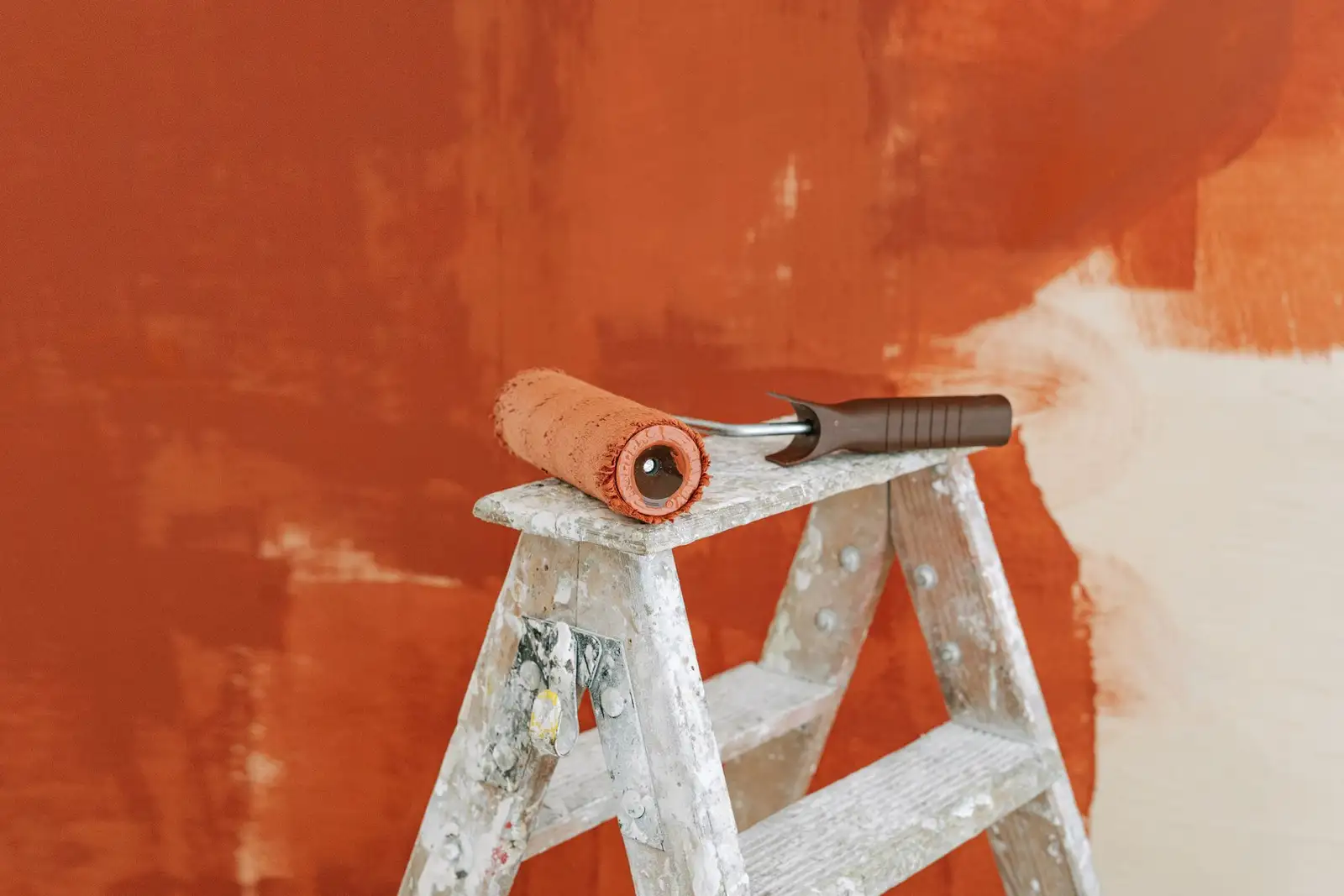
Painting and Drywall Hampton Roads, VA
Looking for painting and drywall in Hampton Roads, VA? Sharpline helps with interior painting, drywall patches and ceiling repairs.
Painting & Drywall across Hampton Roads, Virginia
Painting & Drywall in Hampton Roads, VA
Sometimes a room simply needs a new color. In other cases, the paint is only the final step because dents, cracks, nail pops, old patches, or ceiling stains need attention first. A wall may look acceptable from across the room but show every flaw once fresh paint reflects light across the surface.
That is why professional painting and drywall Hampton Roads, VA work should begin with the condition of the wall or ceiling rather than the paint can. Our services can include drywall repair Hampton Roads, VA, wall and ceiling preparation, patching, primer, trim work, and complete interior painting Hampton Roads, VA projects for residential and commercial properties.
Some customers need one damaged area repaired. Others are repainting an entire home, preparing a rental for new tenants, or handling years of small wall damage before putting the property on the market. Whatever the situation, the basic approach should remain the same: correct the surface first, prepare it properly, and paint only when it is ready.
For painting services Hampton Roads, VA, drywall repair, interior repainting, or property turnover work, contact our team to discuss the project and request an estimate.
Painting Services Hampton Roads, VA
Painting looks simple when the walls are already smooth, clean, and in good condition, but many rooms need more work than a quick coat of color. Old anchor holes can remain visible, previous patches may sit slightly higher than the surrounding drywall, caulk may have separated along trim, and poorly sanded repairs can become even more noticeable after new paint is applied.
Our painting services Hampton Roads, VA may include walls, ceilings, doors, trim, repainting, drywall preparation, patching, primer, and other finish work appropriate to the project. The amount of preparation depends on the condition of the room. A newer bedroom with clean drywall may need only routine prep, while an older hallway with several patches, scuffed trim, and multiple previous coatings may require much more detailed work.
The goal is not simply to change the wall color. Proper painting should leave the surface looking finished, even, and intentional rather than freshly covered over.
Drywall Repair Hampton Roads, VA
Drywall damage can range from a small doorknob dent to a large damaged section that needs to be cut out and replaced. Professional drywall repair Hampton Roads, VA should take into account the size of the damage, where it appears, how the wall was previously repaired, and whether another issue may be causing the problem.
Small Holes and Dents
Doorknobs, furniture corners, wall anchors, moving damage, and everyday bumps can leave small dents and holes throughout a home. Most localized damage does not require replacing an entire sheet of drywall because the area can often be patched, finished with joint compound, sanded, and prepared for paint.
The most important part is not simply filling the hole. The repair needs to blend into the surrounding wall so the patched area does not become obvious once new paint is applied and light moves across the surface.
Nail Pops
Nail pops usually appear as small raised circles or bumps where drywall fasteners sit beneath the surface. A single pop may be an ordinary cosmetic issue, while several that repeatedly return can be worth examining more closely before the same areas are patched again.
After the underlying area is corrected, the repair still needs finishing, sanding, and preparation before painting. Without that preparation, the repaired spot may remain visible even though the nail pop itself has been covered.
Drywall Cracks
Some drywall cracks are minor cosmetic defects, while others may result from failing joint repairs or movement that causes the same line to reopen. The location, pattern, and repair history can provide useful clues about how the crack should be treated.
A fine crack along a drywall joint may only require new finishing work, while a crack that returns repeatedly in the same location may deserve more investigation. Simply covering the line with another layer of joint compound without considering why it reopened may only create another temporary repair.
Larger Drywall Patches
Larger damage may require removing the affected section and installing a new piece of drywall. The replacement section must then be secured, taped, finished with joint compound, feathered into the existing wall, sanded, and prepared for paint.
Feathering is especially important because a patch can be structurally sound and still remain highly visible if the repair area sits higher than the surrounding surface. Good preparation allows the new section to transition into the original wall without leaving an obvious ridge or square repair outline.
Ceiling Drywall Repair
Ceiling damage can be particularly noticeable because overhead lighting often highlights ridges, cracks, old patches, and uneven texture. Small cracks, impact damage, previous repairs, and areas affected by leaks may all require attention before the ceiling is repainted.
If moisture caused the damage, the leak should be repaired before ceiling restoration begins. Once the affected area is dry and stable, the drywall can be repaired, finished, primed, and repainted as appropriate.
Water-Damaged Drywall and Ceiling Repairs
A brown stain on a wall or ceiling is usually evidence of a moisture problem rather than simply a painting issue. The water may have come from an upstairs plumbing leak, roof problem, HVAC condensation, window leak, bathroom moisture, or another source that needs to be corrected before cosmetic work begins.
Painting over the stain before dealing with the moisture may make the surface look better temporarily, but it does not solve the underlying problem. Once the source has been repaired, the drywall can be evaluated to determine whether it is still sound or needs partial replacement.
A dry, firm surface may only need proper preparation and an appropriate stain-blocking primer. Drywall that has softened, sagged, crumbled, or remained wet may need to be removed and replaced. The correct sequence is to stop the moisture, allow the area to dry, remove damaged material where necessary, complete the drywall repair, prime the repaired or stained area, and then apply the finish paint.
Interior Painting Hampton Roads, VA
People request interior painting for many different reasons. Some want to update an outdated color, while others are repainting after years of daily wear from children, pets, furniture, or normal use. Homeowners may also paint before moving in, before listing a property for sale, or after completing drywall repairs.
Professional interior painting Hampton Roads, VA should consider the existing surface, room lighting, current color, desired finish, and how the space is used. Those details influence both the preparation and the final appearance.
Walls and Ceilings
Painting one bedroom is different from repainting an entire interior, but both projects should begin with the same basic question: what condition are the surfaces in? Walls may need patching or sanding, while ceilings can have stains, texture, old repairs, or uneven coatings that affect how the new paint will look.
The condition of each wall and ceiling should determine the amount of preparation required. Smooth, stable surfaces may need very little work, while heavily patched or damaged areas may need more extensive repair before finish paint is applied.
Doors and Trim
Doors and trim usually receive more physical contact than walls, so they often show wear in different ways. Baseboards can become scratched, door frames collect fingerprints, crown molding gathers dust, and window trim may have cracked caulk or chipped coatings.
Preparation may involve cleaning, light sanding, filling small dents, repairing caulk joints, and priming exposed material. Trim and doors are also commonly finished with a different sheen from walls because they may need to tolerate more regular cleaning and handling.
Accent Walls and Color Changes
Changing a room from a light neutral to a dark accent color is different from trying to cover a dark color with a much lighter finish. Dark-to-light changes may require additional preparation, primer, or extra coats depending on the existing surface and the new color.
Accent walls also require careful cutting where the new color meets surrounding walls, trim, and ceilings. Planning the transition properly helps the accent wall look intentional rather than uneven or rushed.
Paint Finish Selection
Paint sheen affects both appearance and maintenance. Flat and matte finishes reduce glare and can help hide minor surface variation, while eggshell provides a modest sheen that works well in many interior spaces. Satin has slightly more shine and is often easier to clean, while semi-gloss is commonly used on doors, trim, and surfaces that receive frequent contact.
The right finish depends on how the room is used, how often the surface may need cleaning, and the type of appearance the homeowner wants.
Drywall Preparation Before Painting
Fresh paint often makes poor drywall work more noticeable rather than less noticeable. A patch that looked acceptable before painting may suddenly show a ridge along one edge, sanding scratches may appear when daylight hits the wall, and thick joint compound can cast a visible shadow across the repaired area.
That is why preparation deserves careful attention before painting begins. Holes should be filled, cracks should be repaired, and joint compound should be feathered gradually into the surrounding surface. Once the repair is dry, sanding helps smooth the transition and remove visible edges.
New drywall, exposed joint compound, and certain repaired areas may also need primer before finish paint is applied. Texture should be considered as well because a perfectly smooth repair may remain visible when the surrounding wall has a light texture. The better the drywall surface looks before painting, the more uniform the finished wall is likely to appear.
Ceiling Repair and Painting
Ceilings are unforgiving because light often travels across them and makes minor imperfections easy to see. A patch that might go unnoticed on a wall can stand out overhead if it has a ridge, different texture, or uneven paint coverage.
Professional ceiling repair Hampton Roads may involve small drywall damage, cracks, old patch areas, or repaired water damage. If the surrounding ceiling has texture, the repaired area may need to be blended carefully so it does not leave one noticeably smooth section in the middle of the room.
Water stains also require special preparation. After the source of the moisture is repaired and the area is dry, a stain-blocking primer may be needed before repainting. In some cases, a local touch-up may blend acceptably, while in other rooms repainting the entire ceiling produces a more consistent appearance.
Trim, Baseboard, and Door Painting
Wall paint usually receives the most attention, but worn trim can make a freshly painted room still look unfinished. Baseboards collect scratches and vacuum marks, doors pick up fingerprints, and window trim can develop chips, dents, or separated caulk joints.
Preparing trim may involve cleaning, light sanding, filling imperfections, repairing caulk, and priming exposed areas before painting. The coating also needs to suit the type of surface and the amount of everyday use it receives.
For trim painting Hampton Roads, clean lines, smooth coverage, and properly prepared edges help the trim complement the walls rather than draw attention to old damage.
Exterior Painting Services in Hampton Roads, VA
Where offered, exterior painting Hampton Roads, VA requires different preparation from interior painting because outside surfaces are exposed to sun, rain, humidity, dirt, and changing temperatures throughout the year.
Peeling coatings should not simply be covered with another coat of paint. Before disturbing older painted surfaces, check for potential lead paint and the lead-safe rules that apply. Loose material needs to be removed, failed caulk may need repair, and damaged wood, siding, or trim should be evaluated before the new coating is applied.
Moisture is also an important factor because painting a damp exterior surface can interfere with adhesion and contribute to early coating failure. Exterior doors, siding, shutters, fences, and trim can require different primers or coatings depending on the material, so the actual project scope should be confirmed before work begins.
Hampton Roads Humidity, Moisture, and Paint Problems
Humidity is a normal part of the Hampton Roads environment, and it can influence the way painted surfaces dry and perform. Moisture may contribute to slow drying, staining, mildew-prone areas, swollen trim, deteriorated caulk, and coating problems in certain rooms or exterior locations.
That does not mean humidity is responsible for every case of peeling or bubbling paint. Poor preparation, hidden leaks, incompatible coatings, or other surface conditions can create similar problems.
Bathrooms, laundry areas, exterior walls, and spaces with limited ventilation can be especially vulnerable to moisture-related issues. If paint repeatedly bubbles or peels in the same spot, the surface should be evaluated before another coat is applied. Local climate conditions are useful context, but the actual cause still needs to be identified.
Cabinet Painting and Refinishing
Cabinet painting requires more preparation than ordinary wall painting because cabinet surfaces are exposed to grease, food residue, fingerprints, cleaning products, and constant handling. Paint applied over a poorly prepared cabinet surface can lose adhesion quickly.
Where cabinet painting Hampton Roads is offered, preparation may include cleaning, deglossing or sanding, using an appropriate primer, and selecting a coating suited to cabinetry. Doors and drawer fronts also need careful handling during application and drying.
Curing time matters because a coating may feel dry before it has fully hardened enough for normal use. Treating cabinets like ordinary drywall usually produces a less durable result, so the preparation and coating system should match the surface.
Residential Painting and Drywall Services
Residential painting projects can range from one damaged bedroom wall to an entire interior that has not been updated in years. Professional residential painting Hampton Roads may involve drywall repair, ceilings, trim, doors, color changes, move-in painting, rental homes, or pre-listing preparation.
The strongest residential projects connect the repair and finish stages instead of treating them as separate jobs. If drywall is damaged, the damage should be repaired first. If a ceiling stain resulted from a leak, the moisture source should be corrected before restoration. If trim has gaps or deteriorated caulk, those areas should be prepared before finish paint is applied.
Following the work in the right order helps prevent fresh paint from drawing attention to defects that should have been corrected earlier.
Commercial Painting and Drywall Services
Commercial spaces often have different scheduling, durability, and repair needs from residential properties. Offices, retail spaces, multifamily buildings, corridors, common areas, and rental portfolios may need painting work coordinated around employees, tenants, customers, or normal operating hours.
Professional commercial painting Hampton Roads may include drywall patching, wall repair, trim, repainting, turnover work, and common-area improvements. Bright commercial lighting can make poor drywall preparation especially noticeable, so smooth patching and sanding are important before finish paint is applied.
High-traffic spaces may also need coatings selected with regular cleaning and daily use in mind. Contact Sharpline to discuss the scope and scheduling needs of a commercial project.
Rental Turnover and Make-Ready Painting
Rental turnovers often reveal wall damage that was hidden by furniture, décor, and everyday use. Nail holes remain after pictures are removed, headboards can rub against walls, trim becomes scuffed, and previous tenants may have changed room colors.
Professional rental property painting Hampton Roads can combine those repairs with repainting so the property is ready for the next tenant. For apartment painting Hampton Roads, timing is often important because move-out and move-in dates may leave only a short maintenance window.
A make-ready project may include drywall patching, sanding, wall repainting, ceiling touch-ups, trim work, and color resets. Reviewing the full scope early helps separate the areas that need repair from those that simply need fresh paint.
Painting and Drywall for Home Sales and Pre-Listing Repairs
Walls often seem to show more defects once a house is being prepared for sale. Listing photographs can make dark colors, visible patches, nail holes, damaged corners, worn trim, and ceiling stains stand out more than they did during everyday use.
Pre-listing painting and drywall work may include neutral color changes, patching, ceiling repair, trim touch-ups, and correction of other high-visibility defects. Home inspection reports can also create repair deadlines that need to be addressed before closing.
When moisture damage appears on an inspection report, the source should be corrected before drywall or paint restoration. For most sellers, the goal is not to remodel the property but to make worn or damaged surfaces look properly maintained before buyers begin evaluating the home.
Paint Matching and Touch-Up Work
Touch-up painting can be more difficult than it first appears because existing paint changes over time. Sun exposure, age, cleaning, sheen, original application method, and wall texture can all affect the way an older coating looks.
Even paint mixed from the original color formula may dry differently beside an older section of wall. Texture can also influence the result because a repaired patch may absorb paint differently from the surrounding surface.
Small touch-ups sometimes blend well enough, but highly visible walls may look more consistent when repainted from corner to corner. Setting realistic expectations about paint matching helps prevent disappointment after a repair is complete.
Our Painting and Drywall Process
Painting and drywall work tends to produce better results when the repair and finish stages are planned together. A clear process also helps customers understand which parts of the project involve repair, preparation, primer, and final painting.
Tell Us What Needs Repairing or Painting
The first step is explaining what you see and what you want the finished space to look like. You can mention holes, cracks, ceiling stains, rough patches, rooms that need a new color, and any repairs that have already been attempted.
If a crack, stain, or other issue keeps returning, that information is useful because it may change how the surface should be evaluated before painting.
Inspect the Surfaces
Walls and ceilings should be checked for drywall damage, stains, cracks, uneven previous repairs, poor adhesion, texture differences, and other preparation needs. The condition of each surface helps determine whether the project needs simple prep or more detailed repair work.
Identify Problems Before Covering Them
Recurring cracks and water stains can be clues to conditions behind the finished surface. Those problems should be understood before paint hides the evidence, especially when moisture, movement, or another building issue may be involved.
Review the Scope and Estimate
The project scope should explain which areas will be repaired, prepared, primed, and painted. It should also clarify whether ceilings, trim, doors, texture matching, or other related work are included so the customer knows exactly what the estimate covers.
Protect and Prepare the Space
Floors, furniture, and nearby belongings should be protected as appropriate before repair and painting begin. Drywall patching, sanding, masking, caulking, and primer are completed before finish paint is applied.
Paint and Finish
Once the surfaces are prepared, approved coatings can be applied. The number of coats depends on factors such as the existing color, new color, product, surface condition, and required coverage.
Final Walkthrough
At the end of the project, repaired and painted surfaces should be reviewed so the customer can see the completed work and verify that the agreed areas have been addressed.
How Much Do Painting and Drywall Services Cost in Hampton Roads, VA?
Painting and drywall projects do not have one useful flat price because the amount of repair and preparation can vary considerably from one room to another. A bedroom with smooth walls and no trim work is very different from a room with high ceilings, damaged baseboards, several drywall patches, and a dark color that needs to become much lighter.
Cost can be influenced by room size, ceiling height, wall condition, number and size of drywall repairs, trim, ceilings, texture matching, primer requirements, furniture access, coating selection, and color changes. Drywall repair varies just as widely because a small nail hole requires much less work than a water-damaged section that needs removal and replacement.
When comparing estimates, customers should look at the complete scope instead of focusing only on the final number. It is important to understand whether wall repair, primer, trim, ceilings, preparation, and furniture protection are included because a lower estimate may simply cover less work.
Why Choose Our Painting and Drywall Company in Hampton Roads?
Good painting usually begins long before the paint is opened. Repair quality, surface preparation, project scope, and realistic expectations all have a direct effect on the finished appearance.
Drywall Repair Before Paint
Holes, cracks, dents, and other damaged areas should be corrected before finish paint is applied. Covering damaged drywall with another coat may change the color, but it does not correct the defect underneath.
Proper Surface Preparation
Patching, sanding, caulking, masking, and primer all influence how smooth and consistent the final finish looks. Skipping preparation may save time early in the project, but those shortcuts often become visible once the new paint dries.
Clear Project Scope
Customers should understand which walls, ceilings, doors, trim, drywall repairs, preparation steps, and primer applications are included before the project begins. A clear scope reduces confusion and makes estimates easier to compare.
Homes, Rentals and Commercial Properties
Sharpline's background includes multifamily and commercial work, so rental turnovers and occupied properties are familiar territory.
Local Hampton Roads Experience
Properties around Hampton Roads can be affected by humidity, moisture, coastal exposure, age, rental turnover, and different maintenance histories. The condition of the property helps determine the right preparation and repair.
Painting and Drywall Services Throughout Hampton Roads, VA
Properties throughout Hampton Roads vary widely in age, construction, moisture exposure, and maintenance history. All include homes and commercial buildings with different wall conditions, previous repairs, and painting needs.
An older home may contain decades of old patches and paint layers, while a newer property can still develop nail pops, dents, settlement cracks, or everyday wall damage. Rental and commercial spaces may require faster turnaround and finishes that can better handle heavier use.
Contact Sharpline with your location and project details to confirm service. Tell us about the surfaces that need attention when requesting service.
Schedule Painting and Drywall Services in Hampton Roads, VA
A damaged wall does not always need major renovation. Some areas need a careful drywall patch, while others need an old repair corrected, a water stain properly addressed, or simply a fresh coat of paint after years of normal wear.
The important part is completing the work in the right order so the final surface looks finished instead of covered over. Drywall repair, surface preparation, primer, and painting should work together rather than being treated as unrelated steps.
If you need painting, drywall repair, ceiling repair or rental turnover painting in Hampton Roads, contact our team to discuss the project and request an estimate.
Hampton Roads, VA painting & drywall questions
Straight answers.
How much does painting and drywall repair cost in Hampton Roads, VA?
Cost depends on the condition and size of the project. Room dimensions, drywall damage, ceilings, trim, preparation, primer, access, materials, texture matching, and color changes can all affect pricing, so a small patch and touch-up will cost differently from repairing and repainting an entire room.
Can you repair drywall before painting?
Yes. In most cases, holes, cracks, dents, rough patches, and other drywall damage should be repaired and properly prepared before finish paint is applied. This gives the final surface a smoother and more consistent appearance.
Can you paint over a water stain?
The source of the moisture should be corrected before painting begins. Once the area is dry and any damaged drywall has been repaired, an appropriate stain-blocking primer may be needed before finish paint is applied.
Why does my drywall crack keep coming back?
A recurring crack can be related to movement, a failed previous repair, or another condition affecting the wall or ceiling. If the same crack keeps opening, it should be evaluated before simply applying another layer of joint compound.
Can a drywall hole be repaired without replacing the whole wall?
Often, yes. Many localized damaged areas can be cut out, patched, taped, finished, sanded, and repainted without replacing the entire drywall sheet or wall.
Should I repaint the whole wall after drywall repair?
Sometimes repainting the entire wall provides a more consistent appearance, especially when the existing paint has faded, aged, changed sheen, or is difficult to match. Small repairs may blend well enough with touch-up paint, but this depends on the surface and lighting.
What paint finish should I use for interior walls?
The best finish depends on how the room is used and how often the walls need cleaning. Eggshell and satin are common choices for walls, while semi-gloss is often used on trim and doors because it offers greater durability and easier cleaning.
Do you paint ceilings and trim?
Sharpline can discuss ceiling and trim painting as part of your project. If they are part of the service, the project scope should clarify which ceilings, baseboards, doors, frames, and other trim surfaces are included.
Do you provide commercial painting and drywall repair?
Sharpline can discuss painting and drywall work for commercial and multifamily properties. Contact the team to discuss the property and work needed.
Do you serve all of Hampton Roads?
Contact Sharpline with your location to confirm service in Hampton Roads.
Around Hampton Roads, VA