
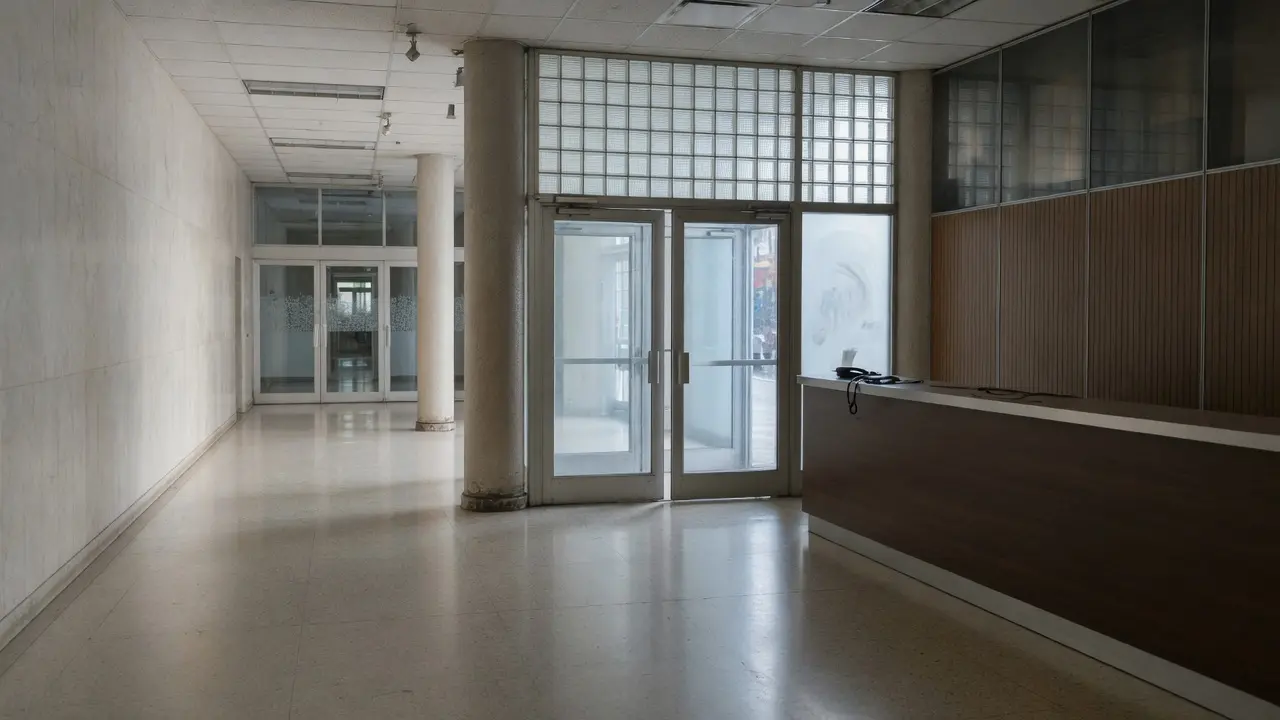
Why You Can’t Afford to “Wing It”
The smartest way to protect your investment isn’t by fixing things once they’ve already caused a disaster. It’s about being proactive. That’s why having a solid property maintenance checklist is essential for any facility manager who wants to stay sane and keep their budget in line. When you stay ahead of the wear and tear, you keep your tenants happy and your property value climbing. In the American business landscape, first impressions happen before a client even walks through the front door. They’re judging you by the cracks in the sidewalk, the state of the landscaping, and even how well the doors swing open. But it’s not just about vanity. Compliance with local codes and federal laws like the ADA is mandatory. If you’re not checking these boxes regularly, you’re opening yourself up to massive liability. If you wait until the heating gives out in the middle of a January cold snap, you’re going to pay a “panic premium” for repairs. Plus, you’ll have a building full of angry employees or tenants. A “run it until it breaks” strategy is easily the most expensive way to operate. Instead, a strategic plan lets you forecast costs and handle upgrades on your own terms.
The Exterior: Protecting Your Building’s Envelope
The outside of your building is your first line of defense against the elements. From the humid summers of the South to the brutal winters of the North, your exterior takes a beating 365 days a year. • The Roof and Gutters. The roof is usually out of sight, which makes it easy to forget, until you see a water spot on the ceiling of a tenant’s office. You need to get eyes on that roof at least twice a year. Look for standing water, damaged flashing, or debris that’s piling up. Keeping gutters clear is non-negotiable; if water isn’t moving away from the foundation, you’re asking for structural trouble. • Walls, Windows, and Seals. Take a walk around and look for cracks in the masonry or gaps in the siding. Caulking around windows and doors eventually dries out and shrinks. This might seem minor, but those air leaks are literally blowing your money out the window when the utility bill arrives. In the US, where energy costs are always on the rise, a tight building envelope is a huge win for your bottom line. • Parking Lots and Walkways. Potholes are more than just a nuisance, they’re a “slip and fall” lawsuit waiting to happen. Regularly check your asphalt for drainage issues or new cracks. Also, make sure your striping is crisp, especially for those accessible parking spots. A quick power wash every spring can also do wonders for keeping the place looking professional.
Interior Systems: Keeping the Lights On (and the Air Moving)
Once the shell of the building is secure, you’ve got to focus on the “guts.” This is where commercial building maintenance gets a bit more technical, but it’s where the real money is saved. • HVAC Systems. The HVAC system is the heart of your building’s comfort. It’s also usually the biggest energy hog. Filters need to be swapped out quarterly or even monthly if you’re in a dusty area. Check the belts for wear and make sure the coils are clean. Good airflow isn’t just about temperature, it’s about air quality, which is a major talking point for modern American office spaces. • Plumbing and Water Management. A leaky faucet or a running toilet is a silent drain on your bank account. Beyond the obvious leaks, you need to have your water heaters checked and your backflow preventers tested every year. If your building uses a boiler, that’s an entirely different level of care that requires specialized eyes to prevent scale and safety issues. • Electrical Safety. Safety is everything here. Keep an eye out for flickering lights or panels that feel warm to the touch. Periodically testing your emergency breakers and ensuring your electrical rooms aren’t being used for “extra storage” (a major fire hazard) is essential for keeping the building up to code.
Safety and Life Systems: The Non-Negotiables
You can’t take shortcuts when it comes to the people inside your building. Many of these checks are required by law, but they’re also just common sense. • Fire Alarms and Sprinklers: These need professional certification annually. Don’t just assume they work, get the paperwork to prove it. • Emergency Lighting: Walk your stairwells and hallways to make sure the “Exit” signs actually light up and the battery backups are holding a • Elevators: Keep your service contracts current and ensure the emergency phones inside the cabs actually connect to a human.
The Benefit of a Proactive Approach
The most successful owners across the country don’t do this alone. They lean on preventive maintenance services to handle the heavy lifting. Instead of playing “whack a mole” with repairs, a scheduled plan ensures every bolt is tightened and every motor is greased on time. Preventive care drastically extends the life of your equipment. A commercial chiller that’s pampered might last 20 plus years, while one that’s ignored might die in 10. When you can double the lifespan of your most expensive assets, the ROI of a maintenance plan is undeniable.
Staying Ahead of the Seasons
In the US, we deal with some wild weather swings. Your checklist should shift with the calendar. • Pre-Winter: Get your snow removal contracts signed in September, not when the first blizzard hits. Check the boilers in October so you aren’t surprised in December. • Pre-Summer: This is the time for landscaping, irrigation checks, and making sure the AC is ready for that first 90-degree day. It’s also the perfect time to wash the windows and get the building looking sharp for the sunny months.
Building a Maintenance Culture
Maintenance isn’t just the janitor’s job. It’s a culture you build. Encourage your tenants to speak up if they see something small, a dripping pipe or a door that won’t lock. Catching these tiny issues is what prevents them from becoming $10,000 headaches. Always keep a log of what’s been done. A digital app or a physical binder that keeps track of every inspection and repair is worth its weight in gold. It’s important for insurance reasons, plus it adds a lot of value if you ever want to sell the house.
Final Thoughts
It takes a long time to take care of a business building. It’s not just about trying hard once in a while; it’s about being consistent. You can make property management less scary by sticking to a defined schedule and being proactive. You keep your people, your money, and your future safe. When a building is well-maintained, it just works. The air is fresh, the hallways are bright, and the exterior is clean. That quiet reliability is the ultimate goal. If the workload feels like too much for your current team, reaching out to experts who live and breathe American commercial maintenance can be the best move you make. Stay on top of your checklist, and your building will stand strong for years to come. Table of Contents
Mold Remediation for Commercial Properties: A Complete Guide
Running a business in the United States isn’t just about hitting your quarterly targets; it’s…
Why Preventive Maintenance Saves Property Owners Money
Ask any seasoned property manager in the States about their absolute worst day on the…
Emergency Property Repair: What Every Property Manager Should Know
It’s 3:00 AM on a Tuesday. The phone buzzes on your nightstand, glowing with a…
How Much Does Apartment Turnover Cost in Philadelphia? A Detailed Breakdown for Landlords
If you own rental property in Philadelphia, you know the feeling. That email hits your…
Related Posts
Running a business in the United States isn’t Ask any seasoned property manager in the States It’s 3:00 AM on a Tuesday. The phone